
Continuity is a production decision, not a cosmetic afterthought
A viewer sees a face cut from an office interview to an exterior, or a close-up beside footage made days later. A faded lip, shifted parting, or sudden forehead shine can make the edit feel less credible.
The practical response is to assign one approved version of every story look and make it easy to retrieve. This matters because shooting order commonly follows locations and performer availability rather than the order in which the story unfolds. The ScreenSkills description of the script supervisor role explains that dramas are usually shot out of sequence and that detailed written and photographic records help footage cut together consistently.
Continuity does not mean freezing a person into an unnatural finish. It means agreeing which changes are intentional. A presenter may become a little less matte through a warm outdoor segment if that is the desired progression; a character’s smeared lipstick may be correct after a scripted argument. What causes trouble is an unrecorded change that looks accidental.
Start with a scene map rather than a calendar
Before the shoot, translate the script, treatment, or interview run sheet into story moments. Give each a short ID, such as S03-Office-AM, and use it on the call sheet, makeup record, wardrobe rail, and reference-image filename. A location name alone may cover different story days.
For each on-camera person, put story order beside actual shooting order. Flag tight close-ups, meals, rain, wardrobe changes, humid exteriors, and transport. These flags do not require overstaffing; they show where a short check may prevent a reshoot or edit workaround.
ScreenSkills says hair and makeup designers create scene-level change notes and test looks under different lighting. On a lean production, a focused story breakdown and purposeful camera check are a practical alternative to relying on memory; see its hair and make-up designer profile.
Make the “hero frame” specific
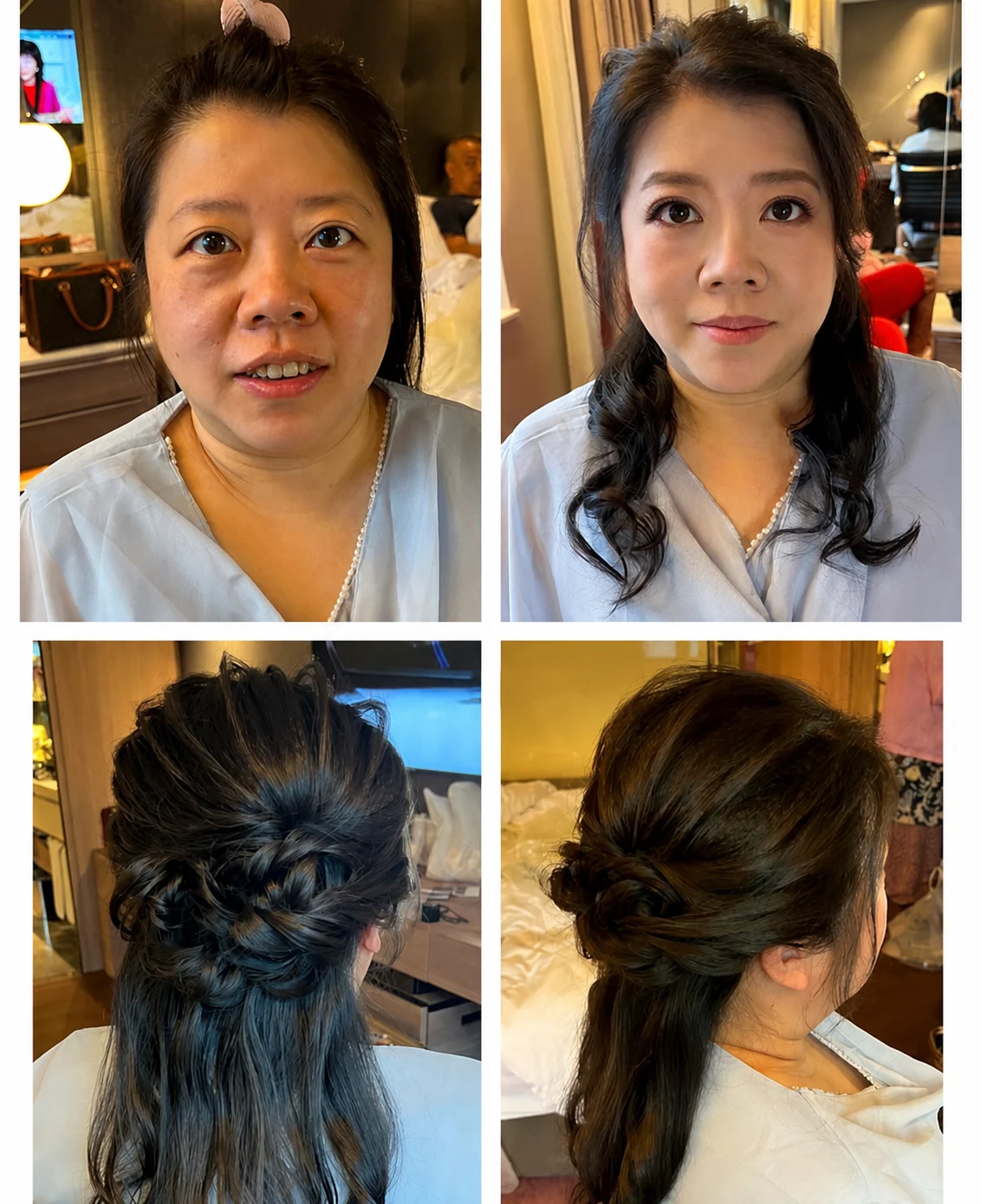
A good reference is not a flattering backstage portrait. Photograph the completed look from front and both three-quarter views, plus the hairline, parting, and close-up details. Use intended key light where practical and label scene ID, talent initials, story day, version, and approval time.
Ask the director, camera lead, and the person responsible for continuity to agree which image is the hero frame. If the lighting later changes, preserve the approved design first; only make a recorded, camera-led adjustment after checking a monitor. This stops a well-meaning touch-up becoming an untraceable new look.
Use a short continuity log that someone can actually maintain
The best log is small enough to update during a busy reset. It should capture what must be matched, what may evolve, and who has seen the change. Avoid vague notes such as “natural” or “tidy.” A colleague who was not at the first setup needs observable information.
| Field | Record | Example |
|---|---|---|
| Scene position | Scene ID, story day, shoot order | S03; Story Day 1; after S08 |
| Wardrobe interface | Collar, glasses, visible marks | White collar; black frames |
| Base and finish | Coverage, powder placement, shine rule | Sheer neutral base; T-zone powder |
| Hair shape | Parting, flyaways, fringe, tuck | Left part; right ear tucked |
| Features | Brow, cheek, lip colour/finish | Soft brown brow; muted rose satin lip |
| Condition | Light, weather, scripted wear | Daylight; dry; no scripted wear |
| Check | Time, approver, next shot | After lunch; monitor approved; CU 3 |
Use product names, shade codes, or a swatch photograph only if they help the team reproduce the approved look. A log is a working record, not a beauty inventory. Where a product is swapped, record the visible result and the reason, such as “original lip colour unavailable; replacement matched against hero frame.”
Separate planned changes from repairs
Add a simple status beside every entry: hold, progress, or reset. “Hold” means recreate exactly. “Progress” means the story calls for a defined change, for example hair becoming damp after rain. “Reset” means return to the approved scene look after a meal, costume rub, or earlier setup. This small distinction prevents teams from erasing deliberate storytelling or preserving an accidental transfer.
Schedule touch-ups like camera work
A touch-up window is reserved inspection time, not an assumption that the artist can reach talent at will. Place it beside a shot block: after a meal, before a close-up, after travel, or during a lighting reset. Name who calls it and where it happens.
A simple interview may use an approval check before rolling, a blot-and-lip check at a planned break, and a final check before close framing. For a multi-location scene, review the reference before each return and check after travel. These are examples, not fixed durations; allowance depends on the look, talent count, and camera plan.
Preparation-only support may suit one person, a stable setting, a short window, and no later pickup. On-set cover takes more coordination, but can be proportionate when a mismatch would affect several setups. Define the moments that require intervention rather than simply requesting “standby.”
For camera, studio, or location work, film and video makeup Hong Kong discusses planning from a treatment, shot order, talent list, reference records, and touch-up timing. Confirm actual scope and availability rather than assuming a person, kit, or cover arrangement.
Decide when an on-set handover is worth it
An on-set handover gives a named person the look record, approved references, touch-up priorities, and next check time. It can transfer between artists or briefly to a producer or trained talent. It is not merely leaving products in a bag.
Use a handover when at least one of these conditions applies:
- The artist must leave before a later pickup of the same look.
- Location, weather, or travel may alter the finish or hair.
- Several performers need checks at once.
- A specialist look has hairpieces, precise placement, or a recorded progression.
- The next block contains close-ups, live work, or a hard edit match.
For low risk, show the hero frame, read the status, identify the kit and next check, and name the approver. For higher risk, compare on the monitor with the incoming artist before the prior person leaves. Record the transfer and unresolved issue, for example, “fringe lifts in wind; reset before close-up.”
A handover is usually unnecessary for a single, short, controlled talking-head recording with no wardrobe change and no later pickup. In that case, a concise self-touch-up note can be less disruptive. The test is not how polished the look is; it is whether a different person could recreate the approved visual state without guessing.
Build a location-move protocol
A location move changes daylight, air-conditioning, humidity, dust, and holding conditions. It can alter wear and camera appearance, so treat it as a reset point even if no change is expected.
Before departure, photograph the approved state and close the log. Pack labelled personal touch-up items separately. On arrival, compare with the hero frame under the new key light or monitor. Check hairline, parting, lip edges, powder, glasses marks, collar transfer, and shine; record “matched” or the exact adjustment.
For a corporate interview, glasses, facial hair, presenter habits, and lighting can affect the check. makeup artist for corporate video may help frame a brief around role, format, lighting, hair refinement, and touch-up opportunities; it does not replace a camera test.
Make hygiene and consent part of the handover
Continuity records may contain close-up images and appearance notes. Store them in the approved folder, limit access, agree retention, and obtain permission before photographs—particularly for skin concerns, tattoos, or coverage preferences.
Label personal-use items such as lip products and disposable applicators. Keep shared tools clean; never let a deadline override a reported sensitivity. Ask about allergies or relevant preferences before application, record only what is operationally needed, and stop to escalate discomfort.
Send a booking brief that supports the continuity plan
A clear enquiry lets a provider judge whether preparation-only service, on-set cover, or additional staffing fits. Send date, camera-ready and wrap times, locations and moves, talent count, story map, looks, references, wardrobe changes, camera notes, expected continuity outcome, approver, and log format.
For a quote discussion around preparation versus on-set continuity, hair, moves, and expected hours, video makeup booking outlines the information to raise. BigDeal Make Up says availability follows scope review, so provide a detailed brief rather than assume a booking or rate.
Before wrap, file the final log and references, note unfilmed story moments, and tell post-production where they live. At the next shoot day, the incoming team reads that record rather than reconstructing yesterday from gallery thumbnails.
Questions & answers
What is the minimum continuity record for a one-person interview?
Use a scene ID, three approved reference views, hair parting and hairline notes, brow and lip description, shine rule, wardrobe interface, and the next planned check. Add the camera setup or key-light note if the recording will resume later. It should take seconds to scan before a pickup.
Who should approve a change to makeup or hair on set?
Name one visual approver before the day begins—often the director, camera lead, or delegated continuity lead—and record that choice. The artist can identify a practical correction, but the team should know who can approve a change that affects the established screen look.
Should every touch-up be photographed?
No. Photograph the approved starting look, any deliberate story progression, and a material change that must be recreated. For ordinary blotting or a small lip refresh, a timestamped log note is usually enough. Too many unlabelled images can make the correct reference harder to find.
How do we handle a sudden weather change between takes?
Pause long enough to compare the person against the correct scene reference under the current key light. Decide whether the story requires a hold, progress, or reset; then record the exact adjustment. Do not make a broad change merely because the new location feels different off camera.
Can talent manage their own touch-ups after an artist leaves?
Sometimes. It suits a simple, stable look when the talent is comfortable, the kit is clearly labelled, and one person can check the result on camera. It is a weak substitute for an on-set handover when close-ups, repeat scenes, hair styling, or multiple location moves create a high mismatch risk.
Put the next step into practice
For the learning options at Canvas, explore makeup course Hong Kong。
For another practical reference, see bridal makeup Hong Kong。
To plan a next step that fits your needs, read makeup course Hong Kong。
Sources & further reading
- Hair and make-up designer (Film and TV Drama) — ScreenSkills
Supports the discussion of script breakdowns, scene-level hair and makeup change notes, and camera tests under different lighting.
- Script supervisor (Film and TV Drama) — ScreenSkills
Supports the explanation that shooting often runs out of story order and that written and photographic continuity records help footage cut together consistently.