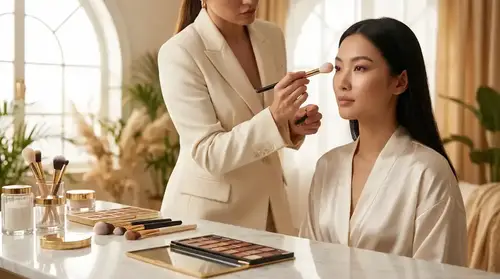
Day 7: decide what the photograph must do
A corporate headshot is a communication asset. Name where it will appear: a company directory, LinkedIn profile, speaker page, annual report or press release. A quiet staff profile and a personal-brand portrait can need different levels of formality and personality.
Ask the photographer to confirm the final crop, planned background and light. Establish whether images must fit a team style, need a square version, or leave room for text. A tight crop makes collar, neckline, jawline and glasses more important than belts or shoes. The crop tells you what the camera will actually keep.
Background belongs in the same decision. The University of Oregon’s professional-portrait guidance advises a consistent, non-distracting background and clear space around the subject. That is an effective test for any employer: if the backdrop, outfit and makeup are all competing for attention, the face loses priority. Agree whether the aim is clean studio simplicity, a recognisable office setting, or a more contextual personal-brand scene before choosing colours and finish.
Make a one-page brief, not an unlabelled mood board
Use two or three captioned reference images: “relaxed expression”, “soft grey background” or “defined eyes without visible shimmer”. Include an image that feels too glossy or formal if it sets a useful boundary. References are prompts for choices, not instructions to copy.
Send one shared document, email or call sheet to the subject, photographer, artist and organiser. This example is deliberately simple; adapt it to the shoot rather than treating it as a fixed formula.
| Brief field | Decision to record | Why it matters |
|---|---|---|
| Purpose and viewer | LinkedIn profile for prospective clients | Sets the level of formality and personality. |
| Crop and layout | Head-and-shoulders; square plus vertical file | Determines which clothes and accessories will remain visible. |
| Background and light | Warm grey; soft front-side light | Helps prevent unwanted blending, glare or excess sheen. |
| Wardrobe | Navy jacket, ivory matte top; full backup packed | Gives the team workable colour and texture options. |
| Makeup and grooming | Even complexion, controlled shine, familiar brows | Turns “natural” into observable choices. |
| Logistics | Glasses worn; ready for camera at 09:40 | Protects the lighting test and running order. |
| Decisions | Photographer owns framing; subject owns likeness | Prevents conflicting changes on the day. |
Day 6: choose clothes from the crop outward
Lay the first outfit and backup on a plain wall in indirect daylight. Take ordinary phone photographs from approximately the intended frame. This quick check can reveal a busy neckline, a shoulder that pulls when seated, or a pale fabric that vanishes against a similar wall. Bring a second complete option if time permits.
Prioritise fit, a clean neckline and a quiet surface. Fine stripes, small checks, noisy texture and high-contrast logos can pull attention from the face or behave unpredictably online. A solid or gently textured fabric is easier to coordinate, but it still needs separation from backdrop and complexion. Check any staff-portrait rules first.
Keep jewellery intentional. In a close crop it is part of the composition, so wear pieces that suit the role without making an accessory the story. Settle the glasses, facial-hair and hair version you need people to recognise.
Give the wardrobe meaning for makeup
Write down the dominant clothing colours, fabric finish and neckline for the artist. These details help them decide how much warmth, contrast and shine will look coherent. A reflective base or strong highlight can be a deliberate campaign choice, but it is not automatically the right answer under every studio light. A familiar lip colour or softly luminous skin can be more persuasive when the brief calls for calm credibility.
If a busy office or executive timetable needs a camera-aware plan, a business portrait makeup artist can use the crop, lighting notes, clothing images, glasses and expected retouching level to prepare for the appointment. That is a practical next step where coordination matters; it is not a reason to turn a restrained brief into a dramatic makeover.
Day 5: define “natural” under the planned light
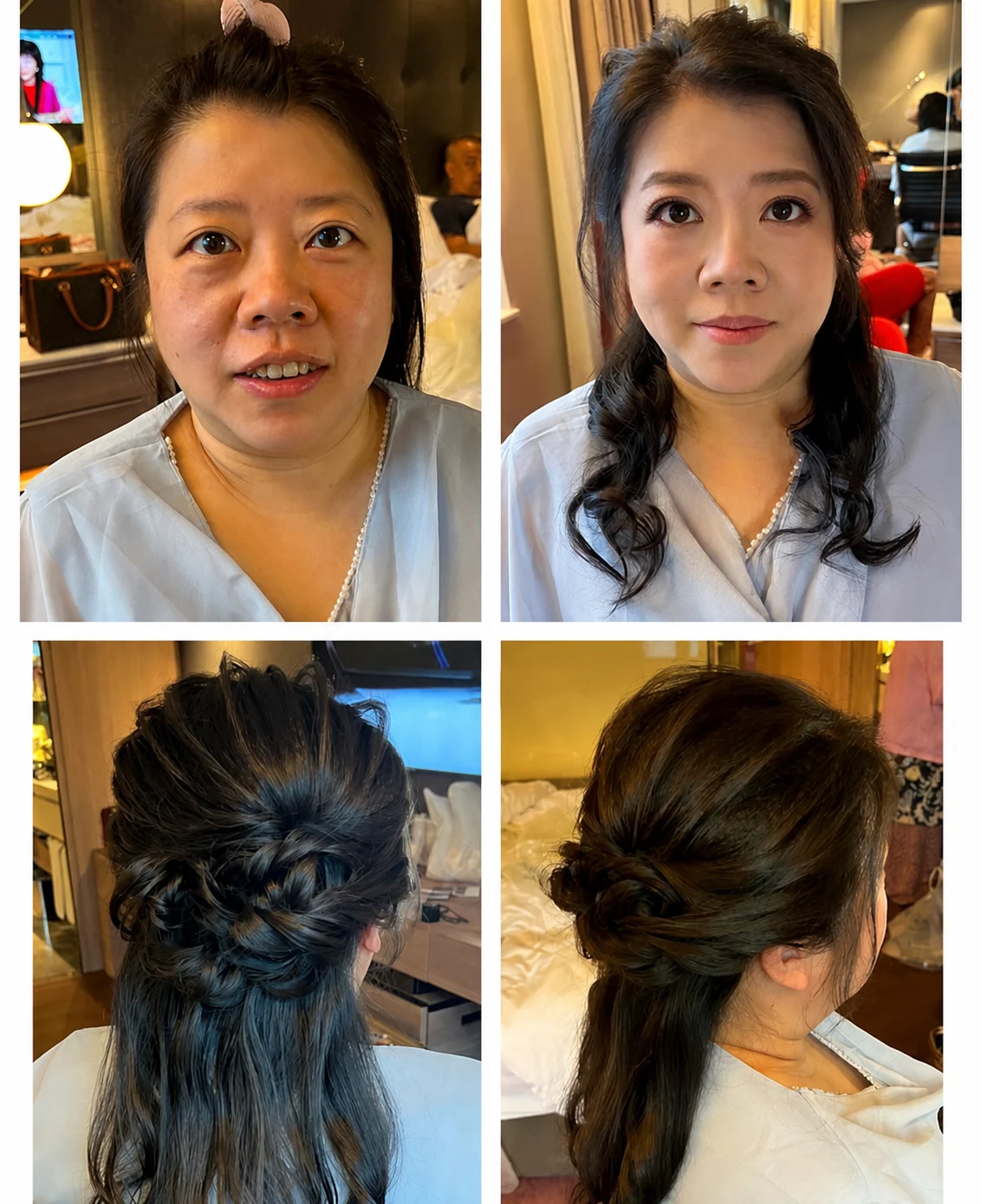
“Natural” is a direction, not a technical specification. Make it observable. You might ask for an even-looking complexion that retains believable texture, softened rather than erased under-eye shadows, brows that frame the eyes, and controlled shine where the light creates a distracting hotspot. Someone who normally wears minimal makeup may choose skincare, grooming and modest correction. Someone else may choose more eye or lip definition while still looking recognisably like themselves. The appropriate amount is the one that supports the intended image.
Share lighting information before the appointment. Window light, studio flash and office lighting can show contrast and sheen differently. Ask for a test frame before the look is final, to see whether jacket, skin finish, lip colour and glasses separate clearly in the setup.
For a portrait used across different platforms or several outfit changes, the questions behind business headshot makeup help make the brief precise: Which frames are tight? Which pair of glasses is in use? What must remain recognisably “you”? Who may call for a touch-up between looks? Put the answers in the written plan rather than relying on a hurried conversation at the studio door.
Deal with sensitivities and eye-area hygiene early
Tell the artist about known allergies or sensitivities, current irritation, contact lenses, recent cosmetic treatments and products you already know work well for you. This is practical planning information, not a diagnosis. Avoid introducing a completely new eye product on the morning of an important shoot.
The FDA’s eye-cosmetic safety advice recommends clean hands and applicators, not sharing eye cosmetics, and stopping use if a product causes irritation. For an appointment, that translates to early disclosure, a clear conversation about tools and products, and postponing eye-area makeup if the area is inflamed or infected. A reaction deserves appropriate medical advice, not an attempt to conceal it for the camera.
Day 4: decide whether a trial answers a real question
A trial is not compulsory for every corporate portrait. When your everyday routine is stable, the shoot setup is simple, the wardrobe is settled and the intended finish is familiar, a clear brief may be more valuable than a second appointment. Ask one direct question: what decision would a trial change?
A trial can be worthwhile when it tests a known sensitivity, two glasses frames, a new haircut against a close crop, or a genuine colour choice. It may also reduce risk for a high-stakes image. Wear the actual neckline and glasses, and ask for one unedited test frame if the workflow allows.
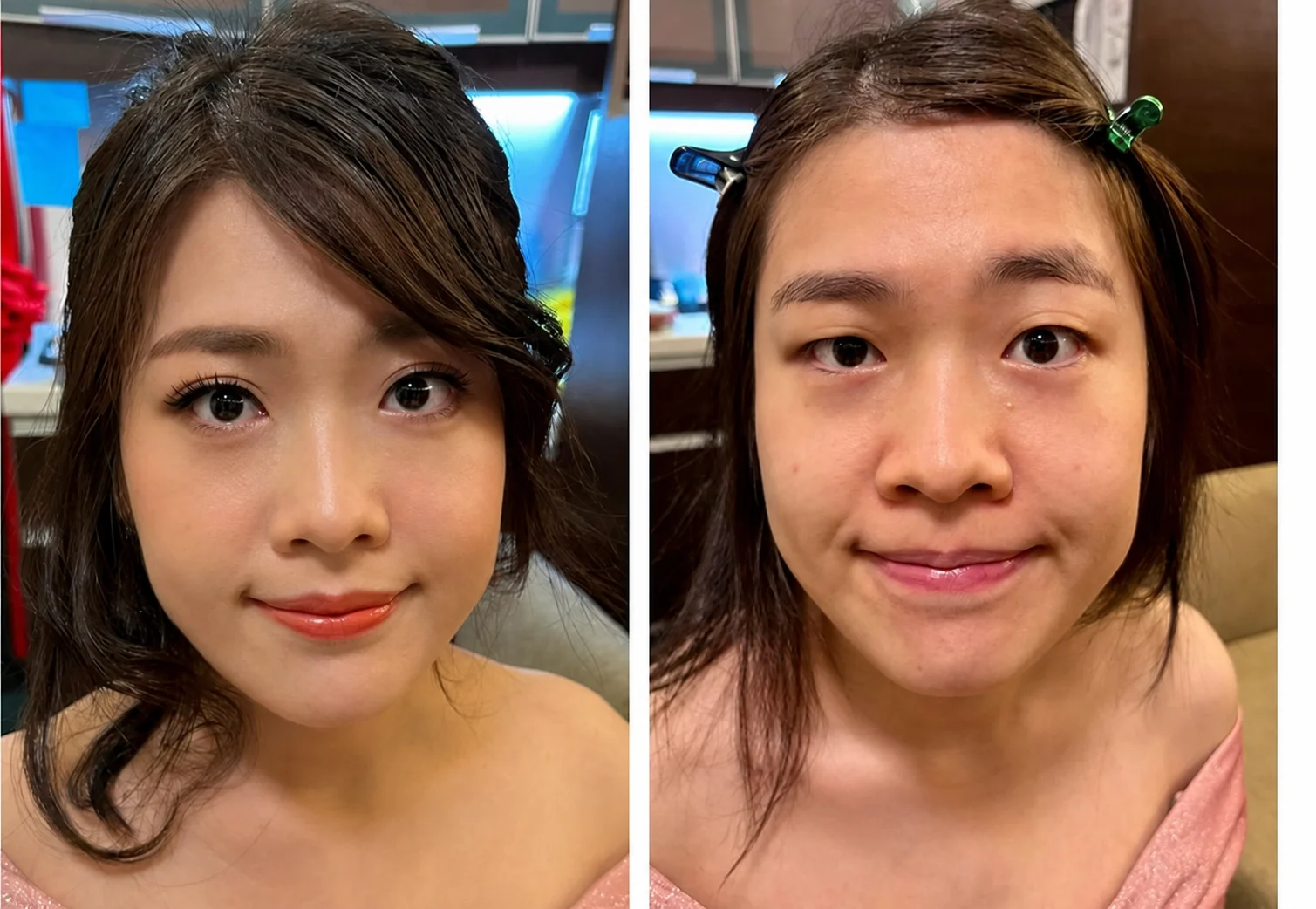
Do not treat a bathroom-light selfie as conclusive evidence about a studio setup. View a test at normal size and as a profile thumbnail. Identify the exact issue—glare, shine, contrast, collar or likeness—and adjust one variable. A useful trial reduces uncertainty, rather than creating a search for a different face.
Days 3 and 2: protect the photography slot with an arrival order
Define “ready” precisely: dressed, groomed, seated and available for the photographer’s first usable frame. Work backwards from that time to allow makeup completion, dressing, a lighting check and a small contingency. For several people, list arrival, preparation start, wardrobe-change time, camera-ready time and photography slot. One organiser should handle door access, missing clothes and late arrivals so the photographer and artist can stay on task.
Confirm the address, building access, lift or security instructions, power, mirror, chair, table, changing privacy and an on-site contact. Tell the team whether the location is an office, home, hotel or studio; those places offer different preparation conditions. If the location is still undecided, the checklist for headshot makeup at studio gives a useful next step because it raises venue access, preparation-space and written-scope questions that can otherwise surface too late.
Leave a modest buffer for a collar adjustment, glasses clean or powder touch-up. For team portraits, put a reliable, fully briefed person first; that session confirms framing and tests the timetable.
Day 1: use a calm on-set decision sequence
Arrive with wardrobe on hangers where possible, relevant undergarments, actual glasses and a short priority list. Avoid a last-minute experimental facial treatment, drastic haircut or unfamiliar cosmetic product.
Before the first final frame, confirm the crop, outfit, background and degree of polish. Take a test image and inspect it at normal viewing size and at a small profile-size view. Focus on issues that affect the brief: collar alignment, lens glare, a distracting flyaway, a shine hotspot or insufficient separation from the background. The photographer should lead technical changes such as camera position and light placement; the subject should say whether the image still feels like them.
Use small, reversible fixes first: powder, lip refresh, a hair tuck, a glasses clean or a collar reset. A wholesale makeup or wardrobe change after lighting approval has a real cost in time and consistency. If it is necessary, say what it solves, make the change, and retest it in the same light.
After the shoot: preserve the decisions, not just the file
Save the approved brief with outfit notes, glasses frame, hair direction, crop, backdrop, light description and date. The next update will begin with the choices that were intentional instead of guesswork. For a company, retain a short version beside its visual guidelines: crop, background range, clothing exclusions, expected grooming level and image-approval owner.
Consistency should make people easier to recognise, not erase their features or professional identity. The strongest headshot brief leaves room for the individual while settling production choices early enough for the camera, clothes and makeup to work as one plan.
Questions & answers
Do I need professional makeup for a corporate headshot?
No. Makeup is optional. Decide whether you need complexion evening, shine control, grooming, eye definition or simply a prepared routine. The useful standard is whether the image represents you clearly under the planned light, not whether it looks heavily made up.
How many outfits should I take?
Take one approved outfit and one complete backup when time allows. The backup needs the relevant top or shirt, not only a jacket, because neckline and fabric change the crop. Confirm how many changes the photography schedule can support.
Should my clothes match the background?
They should work with it, not disappear into it. Aim for separation in tone, colour or texture so your outline remains clear. A backdrop sample or phone photograph gives the wardrobe discussion a useful starting point.
What should I send before the appointment?
Send the image purpose, crop, background and light notes, wardrobe photographs, glasses or facial-hair information, preferred polish, timing, venue details and relevant sensitivities. Two annotated references are usually more actionable than a large unlabelled collection.
What if the test image differs from the mirror?
That is normal: lens, distance, light and crop are part of the portrait. Name the specific issue—glare, shine, weak contrast or a pose that feels unlike you—and make one reversible adjustment at a time before reviewing the next frame.
Put the next step into practice
For the learning options at Canvas, explore makeup course Hong Kong。
For another practical reference, see bridal makeup Hong Kong。
To plan a next step that fits your needs, read makeup course Hong Kong。
Sources & further reading
- Professional Portraits | University of Oregon Communications
Supports the practical advice on a consistent, non-distracting background, clear framing space and soft, diffused lighting.
- Eye Cosmetic Safety | U.S. Food and Drug Administration
Supports hygiene advice on clean hands and applicators, not sharing eye cosmetics and stopping use of an irritating product.