
Treat the day as three connected looks, not three separate makeup jobs
The least stressful graduation beauty plan is built around one idea: look like yourself through every part of the day without repeatedly rebuilding your face. A gown-and-cap ceremony, outdoor campus photos and a thank-you dinner need slightly different things, but they do not need three unrelated looks.
Choose a morning base that is comfortable under a cap and still resembles your skin at close range. In daylight, deal with sun, shine and movement. At dinner, decide whether you want a small change or simply need to restore what has faded. That sequence turns touch-ups into short decisions instead of an anxious routine.
Make one feature the constant
Before choosing shades, name the feature you want to recognise in every photograph: softly defined eyes, a familiar lip colour, structured brows or a natural skin finish. Keep that feature consistent from morning to dinner. It connects formal portraits, group photos and an evening table under warmer light.
Then choose one optional evening change. A deeper lip, clean eyeliner flick or a little more cheek colour is enough. More changes mean more products, more checks and more chances for the cap, humidity or a rushed journey to disrupt the result.
| Part of the day | What the look needs to do | Practical decision | Leave for later |
|---|---|---|---|
| Gown and cap | Read clearly in portraits and stay comfortable | Set a natural base, define brows and secure hair where the cap sits | Elaborate crown volume beneath the cap |
| Daylight photos | Cope with heat, walking, tears and changing light | Blot first; restore only what moved or faded | Powder over unblotted shine or changing the full eye look |
| Thank-you dinner | Feel intentional in warmer, closer light | Refresh lips and add one planned point of definition | A full reapplication unless the base has truly broken down |
Phase one: build a gown-and-cap foundation that is easy to live in
Start with skincare you already know agrees with you. New treatments, unfamiliar primers and an experimental foundation do not earn extra marks in a graduation photograph. Aim for an even, flexible base instead of the maximum coverage you can apply. Texture is normal; too many layers can feel heavy during speeches, hugs and warm walks across campus.
Think about cap placement before styling hair. A centre or side part, smooth roots and controlled lengths often make a mortarboard easier to wear. A style relying on height at the crown may be flattened. That does not mean every graduate needs sleek hair; it means cap position is a design constraint, not an afterthought. Bring the actual cap if possible, or photograph its inside band and how it sits on your head.
Choose eye definition that feels steady rather than dramatic only because there will be a camera. Brows, mascara and a discreet lash-line definition can give the face shape behind a mortarboard without creating a complicated repair later. If you use false lashes, bring adhesive only if you can comfortably use it yourself; do not make lash repair your graduation-day assignment.
If you are considering an appointment rather than doing the morning look yourself, the details for graduation makeup Hong Kong are a practical starting point for discussing a natural, cap-and-gown-aware finish. Share your gown colour, cap style, portrait timing and hair request, then confirm the current arrangement directly rather than assuming every option is included.
Work backwards from “ready by,” not the ceremony start
“Ceremony at 11” is not the same as “I can finish at 10:45.” Write down the moment you must be dressed, have the gown and cap with you, and be able to leave without searching for an earring. That is your ready-by time.
Here is a sample method, not a universal schedule. If the first photo call is 10:30, set a 10:00 ready-by time. Keep the preceding buffer for putting on the gown, fitting the cap once, packing the bag and taking one window-light photo. Do not spend it debating a new lip colour or trying a new hairstyle. Use it to eat, drink water and leave calmly.
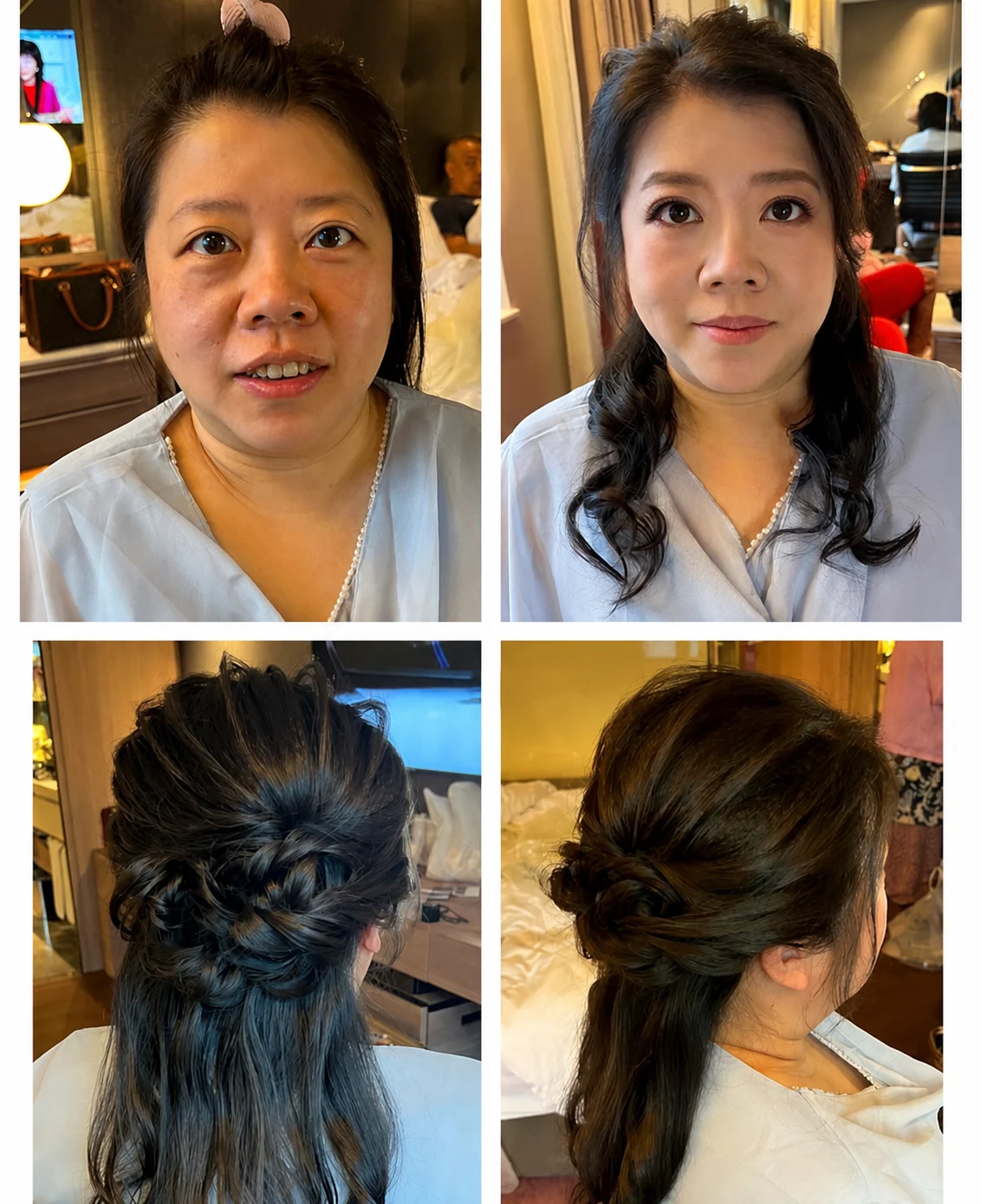
Phase two: protect the daylight look; do not escalate it
Campus photographs can involve queues, bright pavement, shade under trees and quick moves between solo and group shots. Treat each move as a comfort check, not a demand to add more makeup.
For exposed skin, sun protection belongs underneath the makeup plan, not in a last-minute rush before photos. The American Academy of Dermatology’s sunscreen guidance recommends broad-spectrum, water-resistant SPF 30 or higher, applied before going outdoors and reapplied every two hours as well as after sweating or swimming. Follow product directions and your own needs; a powder compact can improve appearance, but it does not replace sunscreen used as directed.
For the face, take three steps: check in ordinary daylight, press a blotting sheet or clean tissue gently on shine, then add a small amount of powder only where needed. Blotting first matters because powder over surface oil can look more obvious in photos than the shine itself.
A five-minute campus-photo reset
Use this between major photo stops, not after every picture:
- Put the cap on a clean surface or ask a friend to hold it.
- Blot the centre of the face and anywhere the cap band pressed.
- Check mouth corners after drinks, snacks or tears; restore lip colour only if the outline faded.
- Smooth flyaways with clean hands or one small hair item. Do not dismantle the whole style.
- Put the cap back on and take one front-facing phone photo. If it looks balanced, stop adjusting.
This final check prevents the mirror-perfect trap: making changes that do not improve the actual image.
Phase three: let the dinner look be a choice, not a rescue mission
Dinner changes the context, not your face. The gown may come off, the cap no longer presses the hair and light is likely warmer. Ask two questions: Do I want a change? and What has actually worn away? The answers tell you whether to do nothing, refresh lips or make your one planned evening adjustment.
A lip refresh is often the highest-return change because it is visible, small and easy to reverse. Move from a daytime neutral to a richer version of the same colour family, or simply reapply the original. If the base still feels comfortable, do not add a new layer just because dinner feels more formal.
If you want extra definition, choose one: a little more blush, a touch of bronzer, a softly smudged liner or a bolder lip. Combining all four in a dim restaurant washroom on a tired face is rarely a better result. With the cap off, restore the parting with a small comb or fingers before reaching for more spray; a slightly softer style often suits dinner.
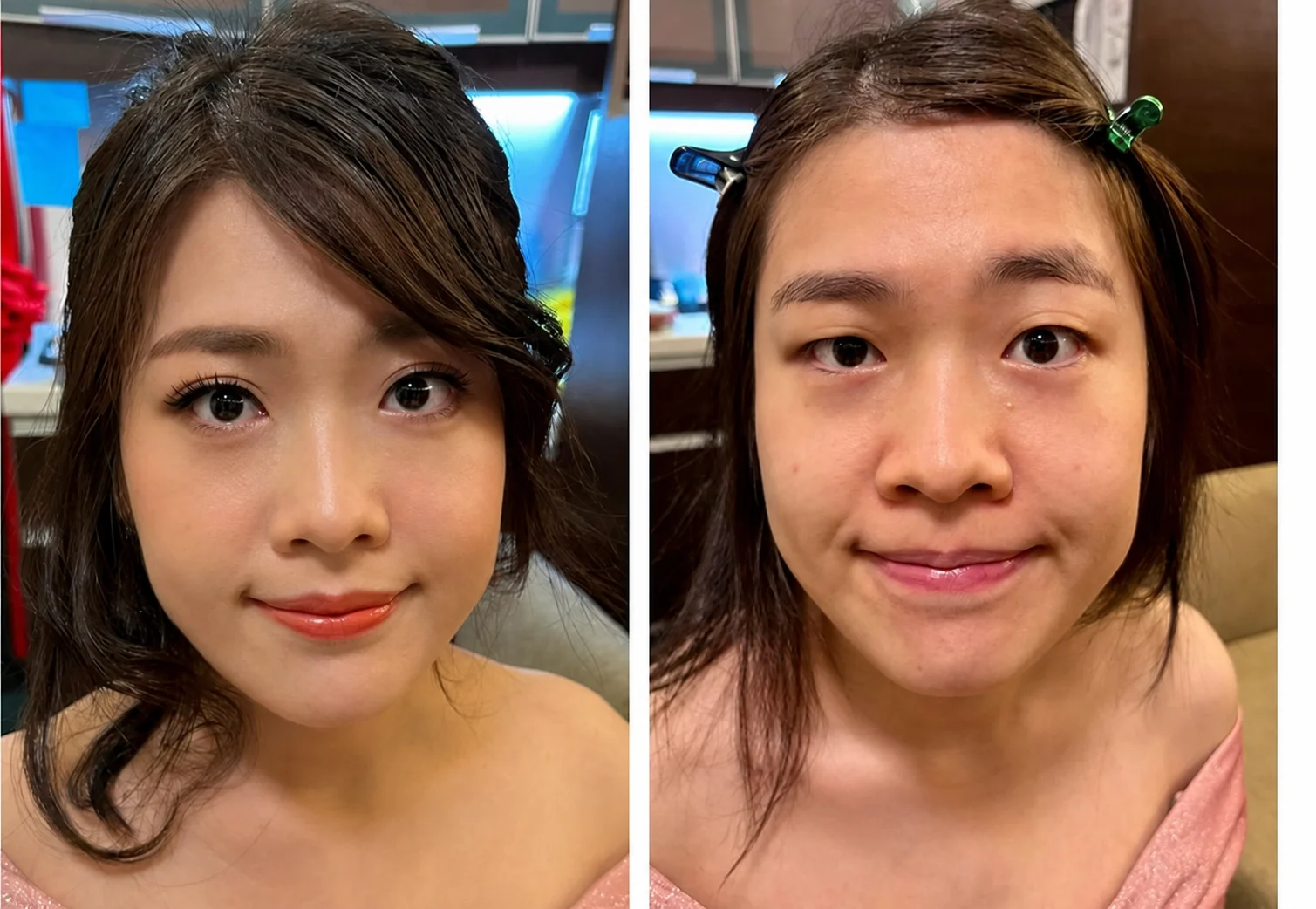
Pack a touch-up bag that solves specific problems
Every item in the pouch should have a job. Pack your own lip product and balm, blotting papers or clean tissues, a mirror, compact powder that works for your T-zone, cotton swabs, a few hairpins or a small comb, and essential contact-lens or eye-care items you personally use. Keep snacks and loose pens elsewhere, so applicators and product caps stay clean.
Leave duplicate palettes, a second foundation, full-size bottles and products you have never used at home. This is an intentional trade-off: fewer choices and less weight versus the tiny possibility of having every imaginable product. If a problem needs more than this kit, it probably needs time and a calm decision, not another item.
Coordinate friends without turning the group chat into a control room
For a shared getting-ready location, appoint one person to collect each graduate’s ready-by time, exact address and access instructions, a main contact, and who must leave first for family portraits. Everyone else should send their own reference image and sensitivity notes early, not while someone is already in the chair.
That brief is useful when several people are booking at one location. graduation makeup group booking Hong Kong explains why a service sequence, venue setup and access details need confirmation before a group arrangement is final. Use it to clarify logistics; do not assume travel, timing or inclusions.
Set two group rules: nobody borrows another person’s lip or eye product, and nobody moves the cap, gown or touch-up pouch without saying so. If a plan changes that morning, communicate the facts—ceremony time, photo call, location, ready-by deadline, group size and requested help. A graduation makeup same-day booking Hong Kong enquiry is an availability check, not a confirmed slot; wait for written confirmation before rebuilding the day around it.
Keep eye comfort and product hygiene in the plan
Graduation celebrations involve shared mirrors and friends offering help. That is why eye products should remain personal. The FDA’s eye cosmetic safety guidance advises against sharing eye cosmetics, recommends washing hands and using clean tools, and says to stop using a product that causes irritation. If irritation persists, seek medical advice. If you have an eye infection or inflamed skin around the eye, skip eye cosmetics until the area has healed.
If you wear contact lenses, follow the routine you already know is comfortable and tell any makeup artist in advance. Carry your usual lens case and solution if that is part of your normal day, rather than improvising. A less elaborate eye look is a worthwhile trade-off when you need to see clearly and stay present.
Rehearse decisions, not a marathon routine
A rehearsal does not need to take an evening. In a simple example, do the intended base, eye definition and lip on an ordinary day. Wear the cap for a few minutes, take window-light photos and step outdoors briefly if weather permits. Note whether the hairline feels pressed, whether the lip fades after drinking, and which one item you would truly use for a reset.
Save those answers in your phone. On graduation morning, follow the plan you already tested. The reward is not a flawless day; it is fewer beauty decisions competing with the ceremony, photographs and gratitude you want to remember.
Questions & answers
Should I change my whole makeup look before dinner?
Usually, no. Begin with a lip refresh and choose one extra point of definition only if you want it. Rebuilding the base can make a serviceable daytime look feel heavier and take attention away from getting to dinner comfortably.
What should I do if my cap flattens my hair?
Remove the cap only when you have a clean place to set it down, restore the parting with fingers or a small comb, and smooth the affected roots. Plan a cap-compatible shape from the start rather than relying on a dramatic repair after the ceremony.
Is a powder compact enough for outdoor sun protection?
No. Powder can reduce visible shine but should not be treated as a replacement for sunscreen applied according to its directions. Plan sun protection before makeup and use shade, clothing and timing where practical.
What is the best item to give a friend for emergency touch-ups?
Give them your small pouch with your lip product, blotting papers, mirror and hairpins, and explain which items they may hand you. This is more useful than a large bag of unfamiliar products to choose from.
Can friends share mascara or eyeliner to save space?
No. Keep eye cosmetics personal and use clean tools. The FDA specifically advises people not to share or swap eye cosmetics because another person’s germs can be hazardous to you.
Put the next step into practice
For the learning options at Canvas, explore makeup course Hong Kong。
For another practical reference, see bridal makeup Hong Kong。
To plan a next step that fits your needs, read makeup course Hong Kong。
Sources & further reading
- Eye Cosmetic Safety
Used for general guidance on not sharing eye cosmetics, clean tools and responding to irritation.
- How to apply sunscreen
Used for broad-spectrum, water-resistant SPF 30+ and outdoor reapplication guidance.