Hair Oil Treatment Guide 2026 | Types, Benefits & Salon vs Home Treatment Comparison
Welcome to the ultimate Hair Oil Treatment Guide 2026. If you are struggling with dry, damaged, or frizzy hair, a professional hair oil treatment might be exactly what you need to restore your hair's natural shine and vitality. In this comprehensive guide, we will explore everything you need to know about hair oil treatments, including how they work, the different types available, and a detailed comparison between salon and at-home treatments. Whether you are looking for deep conditioning or a specialized salon hair treatment, understanding the benefits and processes will help you make the best decision for your hair health.
How Hair Oil Treatments Work
A hair oil treatment is designed to penetrate the hair shaft, providing essential nutrients and moisture that regular washing and conditioning might miss. The process involves applying specially formulated oils or a hair mask to the hair and scalp. These treatments work by sealing the cuticle, which helps to lock in moisture and protect the hair from environmental damage. The oils used in these treatments are rich in vitamins, minerals, and fatty acids that nourish the hair from the inside out.
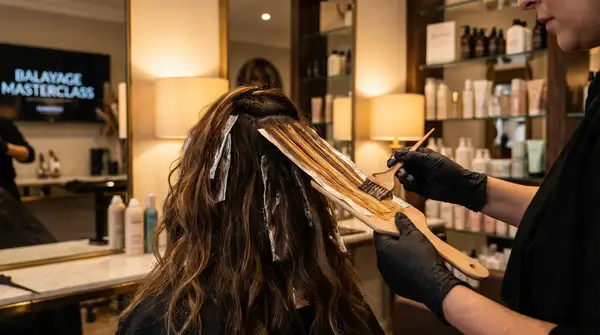
When you undergo a salon hair treatment, professionals often use heat to open up the hair cuticles, allowing the oils to penetrate more deeply. This deep conditioning process not only repairs existing damage but also strengthens the hair, making it more resilient against future stress from styling tools and harsh weather conditions. Regular treatments can significantly improve the texture, elasticity, and overall appearance of your hair.
Different Types of Hair Treatments
There are several types of hair treatments available, each targeting specific hair concerns. Understanding the differences can help you choose the right one for your needs.
Protein Treatments
Protein treatments are essential for hair that has been severely damaged by chemical processes like bleaching or excessive heat styling. Hair is primarily made of a protein called keratin. When hair is damaged, it loses this protein, leading to breakage and split ends. A protein treatment helps to rebuild the hair's structure by filling in the gaps in the cuticle. This type of hair oil treatment restores strength and elasticity, making it an excellent choice for those who frequently color their hair. If you are interested in learning more about coloring, check out our guide on hair colouring.
Collagen Treatments
Collagen is a vital protein that provides structure to the hair. As we age, our body's natural collagen production decreases, which can lead to thinning and brittle hair. Collagen treatments help to replenish this lost protein, promoting thicker, fuller, and healthier-looking hair. These treatments are particularly beneficial for aging hair or hair that lacks volume. They work by coating the hair shaft, adding moisture and improving the hair's overall texture and shine.

Keratin Treatments
Keratin treatments are incredibly popular for their ability to smooth frizzy hair and add incredible shine. Unlike traditional protein treatments that focus on rebuilding the hair's internal structure, keratin treatments primarily work on the outside of the hair shaft. They smooth down the cells that overlap to form your hair strands, resulting in hair that looks full and glossy. If you are a professional looking to master this technique, consider enrolling in a keratin treatment course to enhance your skills.
Salon vs At-Home Treatment Comparison
When deciding between a salon hair treatment and an at-home hair mask, there are several factors to consider, including cost, convenience, and effectiveness. Below is a comparison table to help you weigh your options.
| Feature | Salon Hair Treatment | At-Home Hair Mask |
|---|---|---|
| Effectiveness | High - Uses professional-grade products and techniques like heat application for deeper penetration. | Moderate - Good for maintenance but may not penetrate as deeply as salon treatments. |
| Cost | Higher - You are paying for the expertise of a professional and premium products. | Lower - More budget-friendly as you only pay for the product. |
| Convenience | Requires an appointment and travel time to the salon. | Highly convenient - Can be done anytime in the comfort of your own home. |
| Customization | Tailored specifically to your hair type and current condition by a professional. | Limited to the specific product you purchase; requires trial and error. |
| Longevity | Results typically last longer, often several weeks to months depending on the treatment. | Results are usually temporary, lasting until the next few washes. |
Pricing Guide for Hair Treatments
The cost of a hair oil treatment can vary widely depending on the salon, the location, and the specific type of treatment you choose. On average, a basic deep conditioning treatment at a salon can range from $30 to $75. More specialized treatments, such as keratin or intensive protein treatments, can cost anywhere from $150 to over $300. It is important to consult with your stylist to determine which treatment is best for your hair and budget. If you are in the area, you might want to check out the options for a Central haircut and treatment package.
Post-Treatment Care Tips
To maximize the benefits of your salon hair treatment, proper post-treatment care is essential. Here are some tips to help you maintain your newly nourished hair:
- Wait before washing: Depending on the treatment, your stylist may recommend waiting 24 to 72 hours before washing your hair to allow the products to fully set.
- Use sulfate-free shampoo: Sulfates can strip the hair of its natural oils and the treatment products. Opt for a gentle, sulfate-free shampoo to prolong the results.
- Limit heat styling: Give your hair a break from blow dryers, straighteners, and curling irons. If you must use heat, always apply a heat protectant spray first.
- Maintain with a hair mask: Incorporate a weekly at-home hair mask to keep your hair hydrated and extend the life of your salon treatment.
- Protect from the sun and chlorine: UV rays and pool chemicals can damage your hair and fade the treatment. Wear a hat or use protective hair products when spending time outdoors or swimming.
When to Get a Hair Treatment
Knowing when to get a hair oil treatment can make a significant difference in your hair's health. You should consider a treatment if you notice any of the following signs:
- Your hair feels excessively dry, brittle, or rough to the touch.
- You have recently undergone chemical processes like coloring, bleaching, or perming.
- You are experiencing an increase in split ends and breakage.
- Your hair lacks its usual shine and appears dull and lifeless.
- You frequently use heat styling tools, which can deplete the hair's natural moisture.
Regular treatments, whether at the salon or at home, can prevent these issues from becoming severe. For those interested in learning more about hair care and styling, exploring professional courses can provide valuable insights and techniques.
Frequently Asked Questions (FAQ)
1. How often should I get a hair oil treatment?
The frequency of your hair oil treatment depends on your hair type and its current condition. For severely damaged or dry hair, a weekly treatment may be beneficial. For normal hair, a bi-weekly or monthly treatment is usually sufficient to maintain health and shine. Always consult with your stylist for a personalized recommendation.
2. Can a hair mask replace a salon hair treatment?
While an at-home hair mask is excellent for regular maintenance and providing temporary moisture, it typically cannot replace the deep penetration and long-lasting results of a professional salon hair treatment. Salon treatments use higher concentrations of active ingredients and professional techniques to address specific hair concerns more effectively.
3. Are hair oil treatments suitable for all hair types?
Yes, hair oil treatments can be customized to suit all hair types, from fine and straight to thick and curly. The key is choosing the right type of oil or treatment formula. For example, lightweight oils like argan or jojoba are great for fine hair, while heavier oils like coconut or castor oil are better suited for thick, coarse hair.
4. Will a deep conditioning treatment make my hair greasy?
When applied correctly, a deep conditioning treatment should not make your hair greasy. It is important to thoroughly rinse the treatment out of your hair and focus the application on the mid-lengths and ends, avoiding the scalp if you are prone to oiliness. A professional stylist will ensure the right amount of product is used for your specific hair type.
Ready to Transform Your Hair?
Experience the ultimate in hair care with our professional salon hair treatment services. Whether you need intensive deep conditioning or a specialized hair oil treatment, our expert stylists are here to help you achieve the healthy, beautiful hair you deserve. Book your appointment today and let us customize a treatment plan just for you.