Balayage vs. Highlights: Which Hair Coloring Technique Should You Learn?
Choosing the right hair coloring technique to master is a pivotal decision for any aspiring hairdresser, especially those embarking on their journey through hair coloring techniques for beginners. Among the various methods, balayage vs highlights remains one of the most debated topics in the hairdressing community worldwide, and particularly in Hong Kong’s vibrant salon scene. Understanding the intricate differences between these two popular techniques is essential not only for enhancing your technical skills but also for aligning your expertise with the demands of modern clients. This article delves deep into the technical comparison of balayage and traditional highlights, exploring their application methods, foil placement, freehand painting, maintenance schedules, pricing differences, and market demand within Hong Kong salons. For those ready to elevate their craft, enrolling in a specialised balayage course training or foundational hair coloring techniques for beginners can be transformative steps toward a flourishing career.
Historical Context and Evolution
Before dissecting the technical nuances of balayage vs highlights, it is instructive to appreciate their origins and evolution within the hairdressing industry. Traditional foil highlights have been a staple in salons since the 1970s, introducing a methodical way to add dimension and brightness to hair. This technique utilises aluminium foil to isolate hair strands, allowing for precise lightening and controlled processing times. Highlights became synonymous with structured, uniform streaks of lighter hair, often characterised by a chunky or finely detailed pattern depending on the client’s preference and stylist’s skill.
Balayage, on the other hand, emerged from French salons in the 1970s but gained global popularity only in the last two decades. The word “balayage” means “to sweep” in French, aptly describing the freehand painting technique used to apply colour. Unlike foil highlights, balayage seeks to create a more natural, sun-kissed effect with softer transitions and less obvious regrowth lines. This method allows for greater creativity and tailoring to the client’s hair texture, face shape, and lifestyle, making it particularly popular in contemporary beauty trends. The rise of social media and celebrity endorsements has further accelerated the demand for balayage, especially in cosmopolitan cities such as Hong Kong.

Technical Comparison: Application Methods
Foil Placement in Traditional Highlights
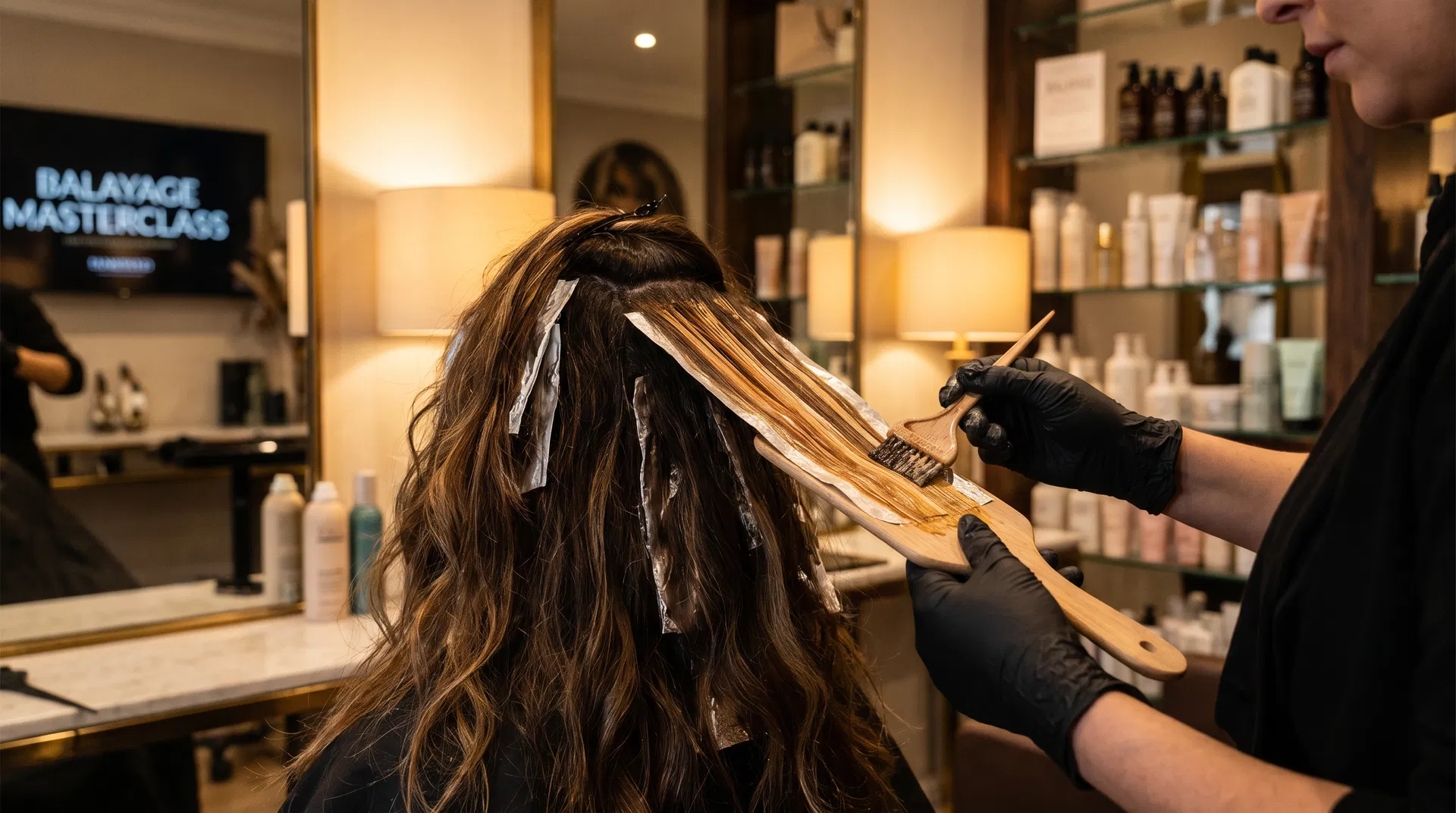
Traditional highlights rely heavily on foil placement to achieve their structured look. The process begins with sectioning the hair into precise segments, typically using a tail comb to create clean, even parts. Thin strands of hair are then selected using a highlighting comb or a fine-toothed comb, and lightener or colour is applied evenly along each section. The selected strands are wrapped in aluminium foil to isolate them from the rest of the hair, allowing chemists to control the heat and processing time effectively. This method ensures consistency in lightening, which is particularly beneficial for clients seeking a uniform, polished appearance.
The foil placement technique demands meticulous attention to detail and timing, as improper application can lead to uneven colour or hair damage. From a technical training perspective, mastering foil highlights requires learning the correct tension for wrapping foil, timing the development process, and understanding how to blend the highlighted strands with the base colour seamlessly.
Freehand Painting in Balayage
In stark contrast, balayage course training emphasises the art of freehand painting. Stylists use a brush to sweep lightener onto the hair surface without the use of foils, often working on dry hair. The key to this technique is the application angle and pressure, which varies depending on the desired effect—whether it’s a soft gradient or a more pronounced contrast between the base and the lifted sections.
The freehand nature of balayage allows for a more organic and customised look. Hair strands are painted with varying thicknesses and intensities to mimic natural light exposure, which requires a high level of artistic skill and understanding of hair structure. The stylist must consider factors such as hair porosity, natural colour, and face shape to achieve an optimal result. Balayage also incorporates blending techniques at the roots and ends to avoid harsh lines, creating a seamless transition that grows out gracefully.
Maintenance Schedules and Client Considerations
Maintenance is a crucial factor when advising clients and choosing which technique to specialise in. Traditional foil highlights often require more frequent touch-ups, typically every 6 to 8 weeks, to maintain the crispness of the lightened strands and to prevent unsightly regrowth lines. The uniform nature of highlights means that as the hair grows, the contrast between the natural root and the highlighted section becomes more pronounced, necessitating salon visits for root retouching or gloss treatments.
Balayage, however, is renowned for its low-maintenance appeal. The gradual, hand-painted colour creates a softer regrowth line, allowing clients to extend their salon visits to 10-12 weeks or more. This makes balayage particularly attractive for busy individuals or those who prefer a more natural, lived-in look. From a stylist’s standpoint, this can translate to longer appointment intervals but also higher client satisfaction and loyalty due to the technique’s adaptability and longevity.

Pricing Differences and Economic Implications
Understanding the pricing structures associated with balayage vs highlights is essential for hairdressers aiming to optimise profitability and client retention. Generally, balayage services command higher prices due to the skill, time, and artistic expertise involved. The freehand painting process can take longer than traditional foil highlights, often requiring 2-3 hours depending on hair length and density. Moreover, the use of premium lightening products and toners to achieve the perfect gradient adds to the cost.
Traditional highlights tend to be more straightforward and faster to execute, allowing salons to offer competitive pricing and cater to a broader demographic. However, the frequency of maintenance appointments can balance out this initial affordability over time. When building a career in hairdressing, understanding these economic factors is vital, especially for those considering a career change hairdresser training or enrolling in a professional hairdressing diploma. Pricing strategies should always consider the local market, product costs, stylist experience, and client expectations.
Demand and Trends in Hong Kong Salons
Hong Kong's fast-paced, fashion-conscious environment heavily influences the demand for different hair colouring techniques. Over recent years, there has been a marked shift towards softer, more natural hair colour styles, propelling the popularity of balayage over traditional highlights. The city’s multicultural clientele, combined with the influence of international beauty trends, makes balayage a highly sought-after service. Salons frequently report that clients appreciate the low-maintenance, sun-kissed effect of balayage, which aligns well with Hong Kong’s humid climate and busy lifestyle.
That said, traditional highlights still maintain a strong presence, especially among clients seeking a more classic or dramatic contrast in their hair colour. For hairdressers, versatility in offering both hair coloring course skills is advantageous, allowing them to cater to a wide spectrum of client preferences. Enrolling in specialised courses such as balayage course training equips stylists with cutting-edge techniques and the confidence to excel in the competitive Hong Kong market, while foundational courses in hair coloring techniques for beginners provide essential skills for those new to the industry.
Which Technique Should You Learn?
Deciding whether to specialise in balayage or traditional highlights depends on several factors including personal interest, career goals, and market demand. For those who enjoy a creative, artistic approach and desire to master a contemporary, premium service, balayage course training offers an excellent pathway. This technique not only enhances your portfolio but also meets the evolving client preferences in Hong Kong and beyond. Conversely, a solid grounding in traditional foil highlights remains invaluable, providing a foundation of precision and control that is transferable across many hair colouring scenarios.
Many professional hairdressers choose to develop proficiency in both techniques, ensuring versatility and adaptability in their practice. Comprehensive training programmes, such as the professional hairdressing diploma at Canvas Academy, offer integrated modules covering a wide array of colouring methods, including both balayage and highlights. This approach maximises employability and artistic growth, empowering graduates to confidently navigate the competitive salon industry.

Conclusion
In conclusion, understanding the technical and market distinctions between balayage vs highlights is essential for anyone serious about advancing their hairdressing career in Hong Kong. Both techniques offer unique benefits and challenges—from the precision and structure of foil highlights to the artistry and modern appeal of balayage. For those eager to elevate their skillset, Canvas Hair and Beauty Academy provides exceptional balayage course training and foundational hair coloring techniques for beginners designed to meet industry standards and client expectations. Whether you aim to specialise or diversify, investing in professional training is key to standing out in the competitive Hong Kong beauty market.
Ready to take the next step? Contact Canvas Academy today via WhatsApp at +852 5443 7168 for enquiries about courses including the beauty academy Hong Kong programmes and start your journey towards mastering the art of hair colouring.