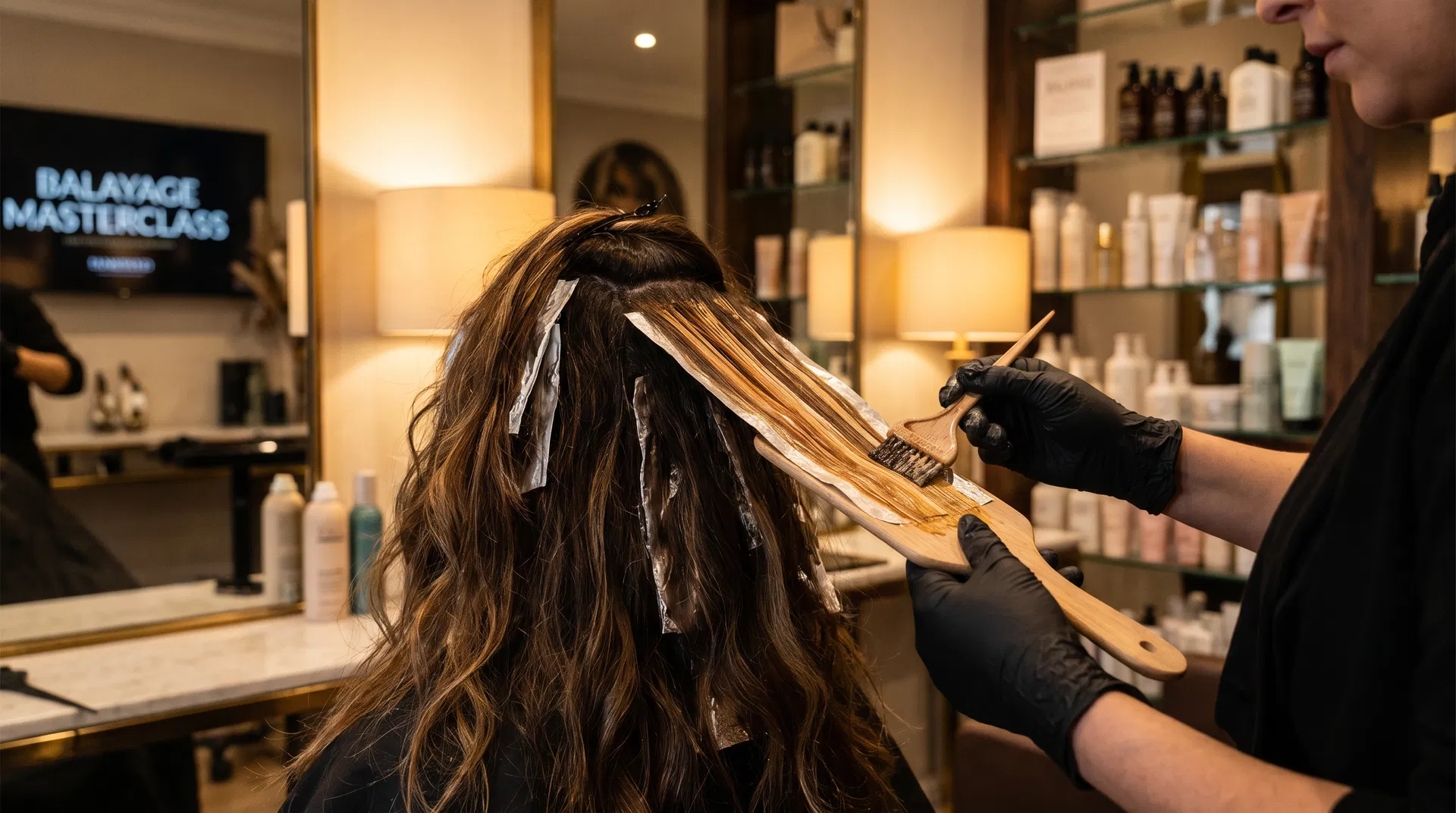
Embarking on a journey to become a professional hairstylist is an exciting, dynamic, and deeply rewarding endeavour. For those looking to learn hair cutting beginner skills, understanding the foundational methods is the first and most crucial step towards a successful career. Whether you are aspiring to work in a bustling high-end salon, planning to eventually open your own boutique studio, or simply wanting to master the art of hairdressing to express your creativity, building a solid technical foundation is absolutely non-negotiable. In this comprehensive and detailed guide, we will explore the top 10 essential hair cutting techniques that every novice must master to build confidence, ensure precision, and deliver outstanding results behind the chair.
Why Mastering Foundational Hair Cutting Techniques is Crucial
Before diving into the specific methods and practical applications, it is vitally important to understand why these foundational skills are so critical to your long-term success. Hairdressing is a unique profession that perfectly blends both art and science. The creative aspect allows you to design beautiful, bespoke looks tailored to your clients' individual personalities and lifestyles, while the scientific aspect involves a deep understanding of hair texture, density, growth patterns, and the underlying geometry of haircuts. By thoroughly mastering the core hair cutting techniques, you equip yourself with the indispensable tools necessary to execute any hairstyle with unwavering precision and consistency.
For individuals who are considering a career change hairdresser training, starting with the absolute basics ensures that you do not develop detrimental bad habits early on in your journey. Proper technique not only dramatically improves the visual quality and longevity of your haircuts but also protects your physical health by promoting correct posture, ergonomics, and hand positioning, which prevents repetitive strain injuries. Enrolling in a structured, professionally led hair cutting course can provide the guided practice, theoretical knowledge, and expert feedback needed to truly internalise these skills and elevate your craft.
Top 10 Essential Hair Cutting Techniques
Let us delve deeply into the ten fundamental techniques that form the robust backbone of professional hairdressing. Each method serves a highly specific purpose, and knowing exactly when, why, and how to apply them will elevate your craft from that of an enthusiastic amateur to a highly sought-after professional stylist.
1. The One-Length Cut (Solid Form)
Difficulty Level: Beginner
When to Use: Ideal for creating classic bobs, blunt cuts, establishing a strong perimeter, and maximizing visual weight.
The one-length cut, also widely known in the industry as a solid form or blunt cut, is arguably the single most important technique to master when you first begin to learn hair cutting beginner skills. In this fundamental technique, all the hair falls to the exact same perimeter line, creating maximum weight and density at the bottom of the style. It requires immense precision, incredibly steady hands, and a keen, trained eye for balance and symmetry. The absolute key to executing a perfect one-length cut is maintaining consistent, even tension throughout the hair and ensuring the client's head is perfectly straight and still. This technique teaches you the vital discipline and control that are essential prerequisites for mastering all other advanced cutting methods.
2. Graduation (Building Weight)
Difficulty Level: Intermediate
When to Use: Perfect for creating beautifully stacked bobs, adding much-needed volume to fine or thinning hair, and shaping elegant shorter styles.
Graduation is a sophisticated technique that involves cutting the hair at a specific angle (usually ranging anywhere between 1 and 89 degrees of elevation) to intentionally build weight and create a stacked, voluminous, or layered effect at the perimeter. This technique allows the stylist to expertly control the shape, silhouette, and volume of the haircut. By elevating the hair away from the head shape, you create a seamless progression of lengths that stack neatly on top of one another. Mastering graduation is an essential requirement for anyone completing a comprehensive professional hairdressing diploma, as it forms the structural basis for many contemporary, highly requested short to medium hairstyles.
3. Layering (Removing Weight)
Difficulty Level: Intermediate
When to Use: Extensively used to remove unwanted bulk, create dynamic movement, and add beautiful texture to medium and long hair lengths.
Unlike graduation, which is specifically designed to build weight, layering is strategically designed to remove weight and create fluid movement within the hair. By elevating the hair at 90 degrees or higher from the head, you create internal layers that fall beautifully, significantly enhancing the hair's natural texture and wave. Layering is an incredibly versatile technique and can be meticulously adapted to suit almost any face shape, hair type, and personal style preference. Understanding the nuanced differences between uniform layers, square layers, and long layers is a critical, non-negotiable component of any advanced hair cutting course.

4. Texturising
Difficulty Level: Intermediate to Advanced
When to Use: Absolutely essential for softening harsh blunt lines, removing excess interior bulk, and encouraging natural, effortless movement.
Texturising is not merely a single technique but rather a broad collection of specialised methods used to alter the interior structure of the haircut without changing the overall external length or perimeter shape. It involves selectively cutting shorter lengths within the body of the hair to create invisible support, enhanced volume, or delicate softness. Techniques such as slicing, weaving, chipping, and channeling all fall under this vital category. Proper texturising requires a profound, intuitive understanding of hair density, elasticity, and natural growth patterns, making it a staple subject in immersive hands-on hair training environments where tactile learning is paramount.
5. Point Cutting
Difficulty Level: Intermediate
When to Use: Ideal for softening harsh geometric lines, seamlessly blending layers, and creating a modern, textured, lived-in finish.
Point cutting is an immensely popular and frequently utilised texturising technique where the scissors are held at a steep angle to the hair ends, cutting directly into the hair rather than straight across it. This creates a much softer, more diffused, and visually appealing edge compared to a standard blunt cut. It is particularly effective and highly recommended on thick, coarse, or stubbornly straight hair that tends to look overly blocky or heavy when cut straight. Point cutting can be expertly performed on either wet or dry hair, though many seasoned stylists strongly prefer doing it dry to see exactly how the hair will sit and behave naturally in its everyday state.
6. Slide Cutting
Difficulty Level: Advanced
When to Use: Best suited for crafting delicate face-framing layers, seamlessly blending hair extensions, and removing weight with unparalleled softness.
Slide cutting is a highly refined technique that involves smoothly gliding partially open scissors down the hair shaft to remove length and weight simultaneously in one fluid motion. This technique creates incredibly soft, sweeping, and seamless layers, making it absolutely fantastic for delicate face-framing work around the cheekbones and jawline. It requires exceptionally sharp, high-quality scissors and a very delicate, practiced touch to avoid pulling, snagging, or damaging the sensitive hair cuticle. Because of its inherent complexity and the risk of error, slide cutting is most effectively taught in a small class hair academy setting where dedicated instructors can provide close, continuous supervision and immediate corrective guidance.
7. Razor Cutting
Difficulty Level: Advanced
When to Use: Perfect for creating shattered, highly textured, edgy styles, modern shags, and incredibly soft, feathery ends.
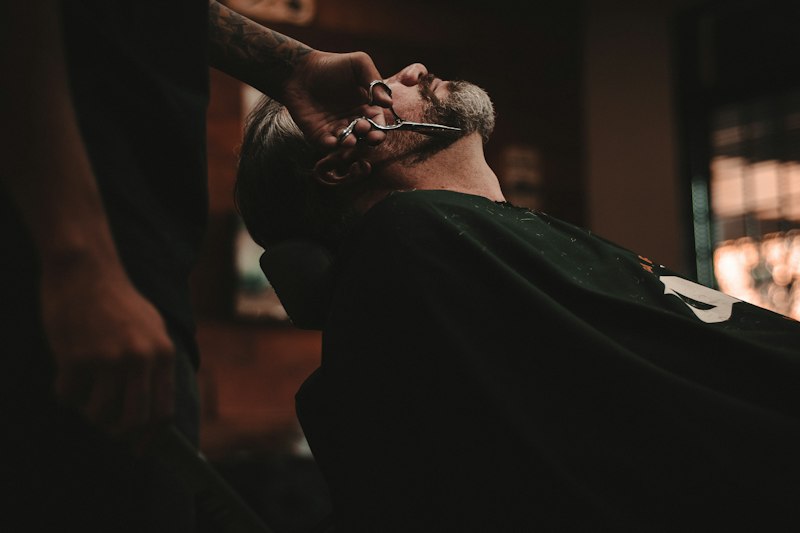
Razor cutting utilises a professional straight razor or a guarded styling razor instead of traditional scissors to cut and shape the hair. This unique tool tapers the ends of the hair shaft dramatically, resulting in a much softer, more highly textured, and organic finish than scissors can typically achieve. It is brilliant for creating modern, effortless, and trendy styles like the shag, the mullet, or the highly popular wolf cut. However, it is crucial to note that razor cutting must almost always be performed on thoroughly wet hair to prevent severe cuticle damage, split ends, and unwanted frizz. It is a highly specialised, artistic skill that requires extensive, dedicated practice to master safely and effectively.
8. Thinning
Difficulty Level: Beginner to Intermediate
When to Use: Used almost exclusively to strategically reduce bulk and density in very thick, heavy hair without altering the fundamental shape of the style.
Thinning is carefully performed using specialised thinning scissors (also known as blending shears or texturising shears) that feature small teeth on one or both of the blades. These unique scissors cut only a specific percentage of the hair with each snip, effectively reducing overall density and interior bulk. While the concept may seem relatively straightforward, improper or excessive use of thinning scissors can easily lead to frizzy, unmanageable hair, loss of structural integrity, or unwanted, uncontrollable volume at the roots. Learning exactly where, when, and how much to thin is a crucial, delicate aspect of any comprehensive hair cutting course.
9. Disconnection
Difficulty Level: Advanced
When to Use: Ideal for striking avant-garde styles, bold modern mullets, and highly creative, editorial high-fashion looks.
Disconnection is a bold, architectural technique where two or more distinct sections of the haircut deliberately do not blend or connect seamlessly with one another. Instead, there is a purposeful, highly visible, and dramatic difference in length between the adjacent sections. This technique is frequently used by top stylists to create dramatic, edgy, and unconventional shapes, and to strategically remove bulk in specific areas while maintaining striking length in others. It requires a very strong, intuitive understanding of head shape, bone structure, and spatial awareness, making it a firm favourite among highly creative stylists and those actively participating in advanced, progressive styling workshops.
10. Clipper Work
Difficulty Level: Intermediate
When to Use: Absolutely essential for classic short back and sides, seamless skin fades, sharp buzz cuts, and incredibly precise detailing work.
While traditionally and historically associated almost exclusively with barbering, proficient clipper work is now widely recognised as an essential, non-negotiable skill for all modern, well-rounded hairstylists. Using professional-grade clippers allows for incredibly short, uniform, and precise cutting that is exceedingly difficult, if not impossible, to achieve with scissors alone. Techniques such as the classic clipper-over-comb method and intricate fading require a remarkably steady hand, a thorough understanding of different guard lengths and blade adjustments, and a meticulous eye for seamless, flawless blending. Mastering clipper work significantly expands your professional repertoire and allows you to confidently cater to a much wider, more diverse, and highly profitable clientele.
How to Practice and Perfect Your Skills
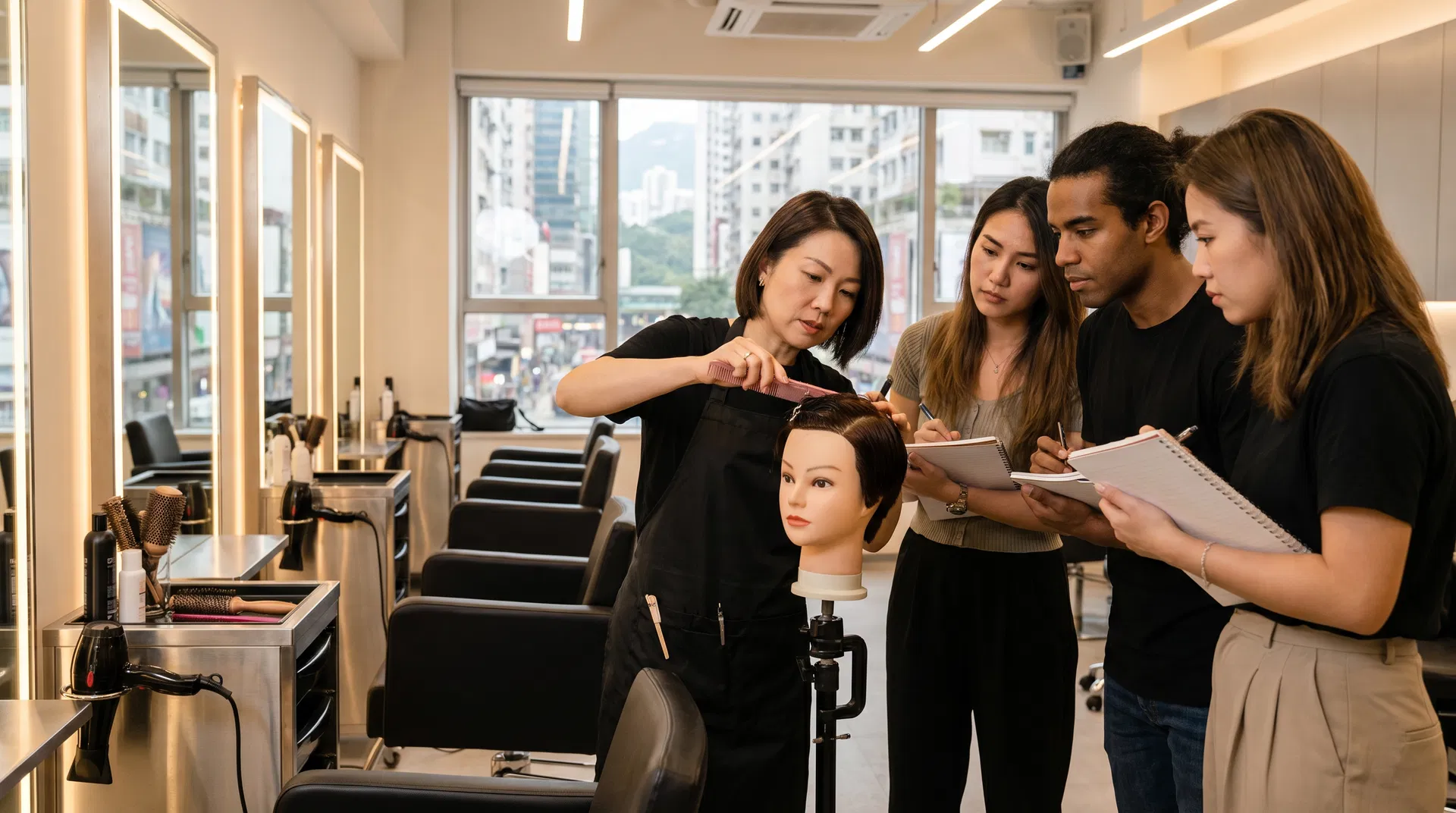
Reading about and intellectually understanding these hair cutting techniques is only the very beginning of your educational journey. To truly master them and make them second nature, you must engage in consistent, deliberate, and focused practice. Start by working extensively on high-quality training mannequin heads to build your essential muscle memory and deeply understand the physical mechanics of each cut without the added pressure and anxiety of working on a live client. Focus intensely on your body positioning, your finger tension, your comb control, and the precise angle of your fingers and scissors.
Once you feel genuinely confident and competent on mannequins, it is time to transition to live models under the close, watchful supervision of experienced, qualified educators. This is precisely where enrolling in a reputable, professional academy becomes truly invaluable. A structured, supportive educational environment provides you with immediate, constructive feedback, helps you identify and correct minor mistakes before they become deeply ingrained habits, and exposes you to a wide, challenging variety of real-world hair types, textures, and growth patterns. For those seeking highly personalised, intensive attention to rapidly accelerate their progress, a one-on-one hairdressing class can shorten your learning curve dramatically, allowing you to focus intensely and exclusively on the specific areas where you need the most improvement and guidance.
Conclusion
Mastering these top 10 essential hair cutting techniques is the absolute bedrock foundation of a highly successful, lucrative, and deeply fulfilling career in the dynamic world of hairdressing. From the strict, unforgiving precision of the classic one-length cut to the boundless creative flair of dramatic disconnection and soft razor cutting, each distinct method equips you with the necessary versatility and confidence to meet and exceed any client's unique needs and expectations. Always remember that becoming a true expert in this field takes considerable time, unwavering patience, and a steadfast commitment to lifelong, continuous learning. As you steadily progress from an eager novice to a highly respected, seasoned professional, these foundational skills will undoubtedly remain your most trusted, reliable, and frequently used tools.
If you are truly ready to take the exciting next step in your hairdressing journey and want to learn directly from passionate industry experts in a highly supportive, state-of-the-art, hands-on environment, Canvas Hair and Beauty Academy is here to expertly guide you every step of the way. Our comprehensive, industry-leading courses are meticulously designed to transform your raw passion into a thriving, sustainable career. Do not wait another moment to start building your bright future in the ever-evolving beauty industry. Contact Canvas Academy today via WhatsApp enquiry at +852 5443 7168 to learn more about our upcoming course intakes, discuss your career goals, and find the perfect educational pathway for your professional aspirations.