Frizzy Hair Care Guide 2026 | Causes, Solutions & Professional Treatment Options
Welcome to the ultimate Frizzy Hair Care Guide 2026. If you are constantly battling with unmanageable, dry, and frizzy hair, you are certainly not alone. Understanding exactly how to fix frizzy hair requires a comprehensive and holistic approach that addresses the root causes, incorporates effective daily routines, and utilizes the right anti-frizz treatment. In this extensive guide, we will explore the underlying reasons for frizz, provide actionable daily tips, and discuss professional solutions to help you achieve the smooth, silky, and healthy hair you have always desired. Whether you are dealing with seasonal humidity or long-term damage, this guide has everything you need to know about frizzy hair care.
Understanding the Causes of Frizzy Hair
Before diving into the solutions, it is crucial to understand what causes frizzy hair in the first place. Frizz occurs when the cuticle layer of your hair is raised, allowing moisture from the air to pass through and swell the strands. As a result, your hair appears dry and frizzy instead of smooth and defined. Several factors contribute to this phenomenon, ranging from environmental conditions to your natural hair structure.
The Role of Humidity
Humidity is perhaps the most notorious culprit when it comes to frizzy hair. When the air is humid, it contains high levels of moisture. If your hair is dry or damaged, it acts like a sponge, absorbing this excess moisture from the environment. This sudden influx of water causes the hair shaft to swell and the cuticles to lift, resulting in a frizzy, puffy appearance. This is why many people find that their hair becomes significantly harder to manage during the hot, humid summer months or in tropical climates.
Hair Damage and Porosity
Another major cause of frizzy hair is damage. Heat styling, chemical processing, and environmental stressors can strip your hair of its natural oils and damage the protective cuticle layer. When the cuticle is compromised, your hair becomes highly porous, meaning it easily loses moisture and absorbs humidity. High porosity hair is inherently more prone to frizz because it struggles to retain hydration. If you frequently use flat irons, curling wands, or undergo chemical treatments without proper frizzy hair care, you are likely exacerbating the problem.
Natural Hair Type and Texture
Your natural hair type also plays a significant role in how prone you are to frizz. Curly and wavy hair types are naturally drier than straight hair because the natural oils produced by the scalp have a harder time traveling down the twists and turns of the hair shaft. This inherent dryness makes curly and wavy hair more susceptible to frizz. Understanding your specific hair type is the first step in determining how to fix frizzy hair effectively.
Daily Tips to Reduce Frizz and Improve Hair Health
Achieving smooth, frizz-free hair starts with your daily habits. By making a few simple adjustments to your frizzy hair care routine, you can significantly reduce frizz and improve the overall health of your hair.
Proper Washing and Conditioning Techniques
One of the most common mistakes people make is over-washing their hair. Washing your hair every day can strip it of its natural oils, leading to dryness and frizz. Instead, aim to wash your hair two to three times a week using a sulfate-free, hydrating shampoo. Sulfates are harsh detergents that can further dry out your hair. Always follow up with a rich, moisturizing conditioner, focusing on the mid-lengths and ends. For an extra boost of hydration, incorporate a deep conditioning mask into your routine once a week.
Drying Your Hair the Right Way
How you dry your hair can make a world of difference in preventing frizz. Avoid vigorously rubbing your hair with a traditional cotton towel, as the rough texture can create friction and lift the hair cuticles. Instead, gently squeeze out excess water using a microfiber towel or an old cotton t-shirt. When it comes to blow-drying, always use a heat protectant spray and attach a diffuser to your hair dryer if you have curly or wavy hair. A diffuser helps to distribute the heat evenly and minimizes disruption to your natural curl pattern.
Essential Product Recommendations for Frizzy Hair Care
Investing in the right products is essential for effective frizzy hair care. Look for leave-in conditioners, hair oils, and serums that contain nourishing ingredients like argan oil, coconut oil, and shea butter. These ingredients help to seal the hair cuticle, lock in moisture, and create a protective barrier against humidity. Apply a small amount of anti-frizz serum to damp hair before styling, and use a lightweight hair oil to tame any flyaways on dry hair.
Professional Treatments for Frizzy Hair
While a solid daily routine is crucial, sometimes your hair needs a little extra help. Professional salon treatments offer long-lasting solutions for how to fix frizzy hair and can dramatically transform the texture and manageability of your locks.
Nourishing Oil Treatments
Professional oil treatments are an excellent option for deeply hydrating and repairing dry, frizzy hair. These treatments typically involve the application of a customized blend of essential oils and proteins that penetrate deep into the hair shaft. The heat applied during the treatment helps to open the cuticles, allowing the nourishing ingredients to be fully absorbed. The result is softer, shinier, and significantly less frizzy hair.
Keratin Treatment and Smoothing Therapies
If you are looking for a more semi-permanent anti-frizz treatment, a keratin treatment might be the perfect solution. Keratin is a protein naturally found in your hair, and these treatments work by infusing the hair with a liquid keratin blend, which is then sealed in with a flat iron. This process smooths the hair cuticle, eliminates frizz, and adds incredible shine. The results can last anywhere from three to six months, depending on your hair type and aftercare routine. If you are interested in learning more about the application process, you can explore our keratin treatment training options.
Straight Therapy and Rebonding
For those with very curly or unruly hair who desire a permanently straight and frizz-free look, straight therapy or rebonding is a highly effective option. This chemical process breaks down the natural bonds in your hair and restructures them into a straight pattern. While this treatment provides permanent results for the treated hair, it requires careful maintenance and regular touch-ups as new hair grows in. It is essential to consult with a professional stylist at a reputable salon, such as those offering a premium Central haircut, to determine if this treatment is suitable for your hair type.
Frizzy Hair Care Routines for Different Hair Types
Because everyone's hair is unique, a one-size-fits-all approach to frizzy hair care simply does not work. Tailoring your routine to your specific hair type is key to achieving the best results.
Routine for Fine, Frizzy Hair
Fine hair can easily become weighed down by heavy products, making it look greasy and flat. If you have fine, frizzy hair, opt for lightweight, volumizing products that provide hydration without the heavy residue. Use a lightweight leave-in conditioner spray and a very small amount of anti-frizz serum focused only on the ends. Avoid heavy creams and thick oils.
Routine for Thick, Coarse, and Frizzy Hair
Thick and coarse hair requires intense moisture to stay smooth and manageable. For this hair type, rich, creamy products are your best friend. Incorporate a heavy-duty deep conditioning mask into your weekly routine and use a generous amount of leave-in cream or hair butter after washing. Layering products, such as applying a cream followed by an oil to seal in the moisture, can be highly effective in combating frizz.
Routine for Chemically Treated or Colored Hair
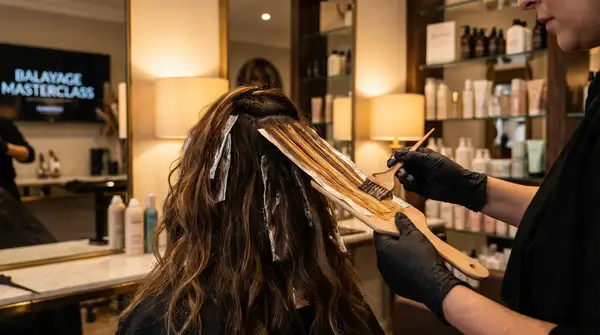
If your hair is chemically treated or colored, it is likely more porous and prone to frizz. Your primary focus should be on repair and color protection. Use products specifically formulated for color-treated hair, as these will help to maintain your color while providing necessary hydration. Regular protein treatments can also help to strengthen the hair shaft and reduce breakage. If you are interested in the art of coloring, check out our guide on hair colouring techniques.

Comparison of Anti-Frizz Treatments
Choosing the right professional anti-frizz treatment can be overwhelming. To help you make an informed decision, we have compiled a comparison table of the most popular options available.
| Treatment Type | Best For | Longevity | Key Benefits |
|---|---|---|---|
| Nourishing Oil Treatment | Dry, slightly frizzy hair | 1-2 weeks | Deep hydration, increased shine, non-chemical |
| Keratin Treatment | Wavy, curly, and very frizzy hair | 3-6 months | Eliminates frizz, smooths texture, reduces styling time |
| Straight Therapy | Very curly, unruly hair desiring a straight look | Permanent (on treated hair) | Permanently straightens hair, zero frizz, sleek finish |
Frequently Asked Questions (FAQ) About Frizzy Hair Care
1. Can drinking more water help reduce frizzy hair?
Yes, hydration starts from within. Drinking plenty of water helps to keep your body and your hair hydrated. While it won't instantly cure frizzy hair, maintaining good overall hydration is an important part of a holistic frizzy hair care routine and can improve the overall health and elasticity of your hair strands.
2. How often should I use a deep conditioning mask for frizzy hair?
For most people struggling with frizzy hair, using a deep conditioning mask once a week is ideal. However, if your hair is extremely dry, damaged, or coarse, you may benefit from using a mask twice a week. Pay attention to how your hair responds and adjust the frequency accordingly to find the perfect balance for your specific needs.
3. Are silk pillowcases really effective for preventing frizz?
Absolutely! Traditional cotton pillowcases can cause friction as you toss and turn during the night, leading to breakage and frizz. Silk or satin pillowcases provide a smooth surface that allows your hair to glide effortlessly, significantly reducing morning frizz and helping to preserve your hairstyle for longer.
Conclusion and Next Steps
Managing frizzy hair does not have to be a daily struggle. By understanding the causes, implementing a tailored frizzy hair care routine, and exploring professional anti-frizz treatment options, you can achieve the smooth, manageable hair you deserve. Remember that consistency is key, and finding the right combination of products and techniques may take a little trial and error.
If you are passionate about hair care and want to turn your interest into a profession, consider enrolling in one of our comprehensive courses. Our expert instructors will guide you through the latest techniques and industry standards.
Ready to Transform Your Hair?
Book a consultation with our expert stylists today to find the perfect anti-frizz treatment for your hair type. We offer a range of professional services designed to give you smooth, beautiful hair.
Learn more about our services or book an appointment now!