Choose a goal that parent and child can share
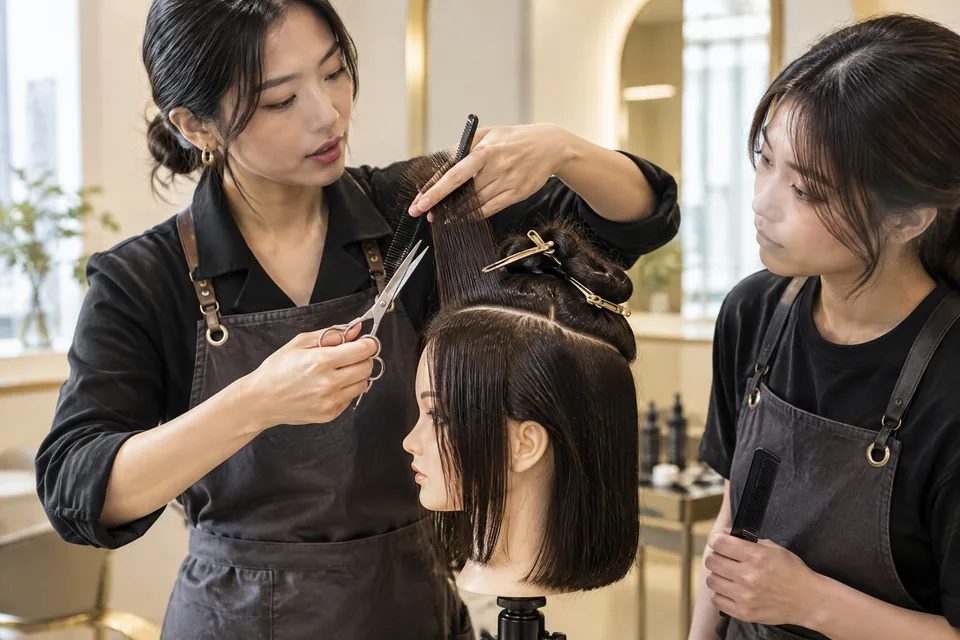
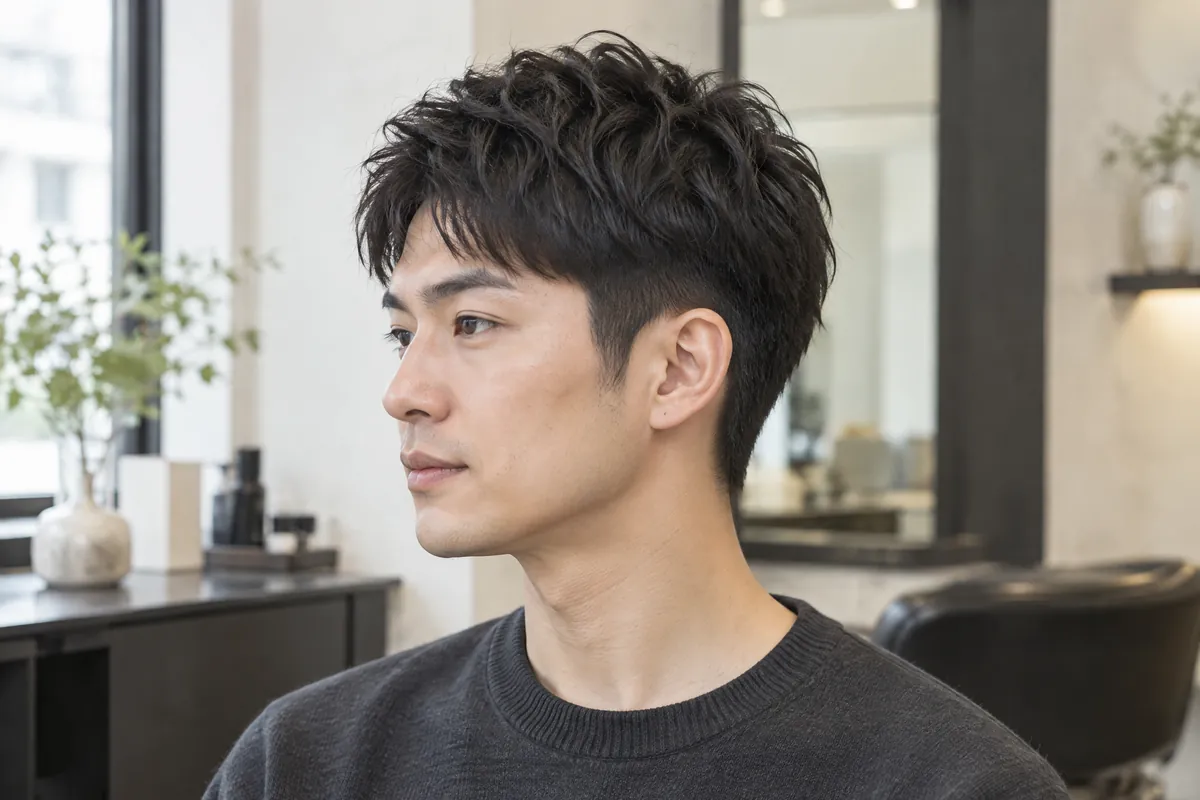
Start with the moment that causes trouble at home, not a hairstyle name. Does the fringe fall forward during reading? Do the side sections escape the school ponytail? Is the child happy with the shape but bothered by hair around the ears? Each problem points to a different part of the cut, so an all-over shortening may remove more than the family needs.
Ask the child what they like about their present hair before showing a new reference. A familiar outline can matter even when a parent wants easier mornings. Use three headings in a phone note: keep, change, leave for later. Put the recognisable shape under keep, one practical improvement under change, and any dramatic restyle under later until you have discussed it together.
A hypothetical example is a child who likes a chin-length bob while the parent wants the front clearer. Their shared goal could be to tidy the fringe and preserve the bob's lower edge. That is more precise than asking for something neat. It also avoids treating the child's preference and the parent's school-day needs as competing instructions at the chair.
Vit So's kids haircut information separates the children's enquiry from adult services and lists an under-12 category. Give the exact age at the intended appointment, including months for a very young child. This category alone does not establish a minimum age, specialist equipment or arrangements for every younger child.
Mark the length to retain in three separate zones
Look at the hair dry, in the parting the child normally wears. Keep the head upright rather than tilted towards a camera. Describe the fringe, sides and back separately, using visible landmarks. The instruction to remove a centimetre is less informative if nobody has agreed where the finished hair should sit or which sections must remain long enough to gather.
| Zone | Useful boundary to show | Choice to weigh |
|---|---|---|
| Fringe | Position against the brows in its natural fall | A shorter front changes the expression of the cut; a longer front may need clipping back. |
| Sides | Ear coverage, glasses arms or the usual tucked position | Shorter side pieces can feel clearer but may escape a tie. |
| Back and outer edge | Chin, shoulders or the sections needed in a ponytail | A shorter edge changes the silhouette and can reduce tying options. |
For a child who ties their hair, demonstrate the actual school style with the usual band. Show which front and side sections need to join it. A back length that reaches a ponytail does not mean every shorter section will stay inside. Decide whether loose front pieces are acceptable before choosing face-framing layers from a picture.
Curly or wavy hair needs a dry-length reference too. Show how it falls after the family's usual wash and drying routine, rather than pulling it straight to indicate the finish. Explain any crown section that points outwards or a fringe that returns to a particular direction. These are observations for the hairdresser, not instructions to use a specific technique.
Read a reference photograph in parts. Circle the edge you like and name one feature you do not want, such as an exposed ear or a very short fringe. If the photograph shows a carefully smoothed finish, ask how the outline would look with your child's ordinary drying routine. Choose a workable cut rather than accepting a daily styling task nobody wants.
Describe sitting comfort through observable details
Replace labels such as difficult or fidgety with a short account of what happens. A child may sit happily for combing but dislike a cape touching the neck. Another may tolerate scissors but turn towards a buzzing sound. Record the trigger, the visible reaction and what usually helps. A description of movement is more useful than a judgement about behaviour.
Aneurin Bevan University Health Board identifies scalp touch, tool sounds, product smells and loose cut hair on the skin as possible challenges for children with sensory difficulties. Its guidance recommends telling the hairdresser about anxiety and helpful strategies. These observations can guide a conversation; they are not proof that a salon provides specialist sensory support.1
Try a short, voluntary dress rehearsal
At home, explain the likely sequence with simple drawings: arrive, talk, sit, protect clothes, comb, cut, finish. Check the actual agreed steps before including washing or drying. Let the child point to anything unfamiliar and practise saying a pause word. Do not rehearse with scissors, force a cape or turn preparation into a test they must pass.
- Note whether ordinary combing, neck contact or water spray is uncomfortable.
- Ask which part the child wants explained before it happens.
- Identify one familiar small item to discuss with the salon.
- Choose a pause word the child can say without turning their head.
The health board also suggests visual sequences, showing tools beforehand and taking a clean top because clipped hair can feel uncomfortable. Ask whether these simple requests can fit the appointment. Lap seating, headphones, alternative capes or other positioning need agreement because they can affect access around the head. Do not build the plan around equipment you have not discussed.1
Put the useful details on one family preparation sheet
Keep the note compact enough for the accompanying adult to read before arriving. It should distinguish observations from requests: hates haircuts gives little guidance, while turned towards the dryer at the last cut identifies a practical concern. Use the same sheet for the enquiry and the handover, so a different parent or carer does not accidentally request a different length.
| Sheet field | What to write | What it helps settle |
|---|---|---|
| Exact age | Age on the proposed date, with a nearby birthday noted | Which children's arrangement can be discussed |
| Keep and change | Dry-length landmarks plus one main improvement | The essential cut versus optional changes |
| Hair and routine | Natural texture, normal parting and who manages it | A shape the family can handle at home |
| Comfort | Specific triggers, reactions and helpful communication | What support to discuss before the visit |
| Accompanying adult | Who attends and needs to stay available | A consistent handover and supervision plan |
| Visit agreement | Service items, fee, date, time and departure limit | The accepted appointment rather than the requested one |
| Destination | Full address, starting point and entrance questions | A practical route to the right location |
Include school-rule wording where it matters, not an interpretation passed between adults. Separate compulsory limits from family preferences. For example, hair clear of the eyes is a boundary; wanting a very short fringe is one possible design choice. If glasses affect comfort, bring the pair the child normally wears rather than relying only on a photograph taken without them.
Send clear current photographs only if they help explain the request, and ask before sharing images featuring other children. A simple front, side and back view can show the outline; personal surroundings need not be included. Keep the child's style reference separate from current-hair pictures, so the intended result cannot be mistaken for the starting point.
Keep the parent's service enquiry separate
Combining errands can sound efficient, but a parent in the middle of their own appointment may not be available when a child needs attention. Decide first whether the adult is attending as the child's companion or also seeking hair work. Write two separate requests if both are wanted, and discuss who remains responsible for the child throughout each part.
If you are also looking for a hair salon hong kong appointment for yourself, Vit So's wider menu distinguishes cuts and styling from colour, texture changes and cosmetic care. That range does not establish a combined family booking, childcare or extra time for a child's visit. Choose the adult service on its own merits rather than fitting it into an imagined gap.
For an adult colour, bleach, perm or straightening enquiry, prepare the relevant treatment history and describe the condition of the remaining processed lengths. Those services involve different planning from a child's tidy-up. Cosmetic hair or scalp care also has a different purpose from cutting; it is not a medical or hair-growth service, nor a way to guarantee that a reference style will work.
A separate adult visit can mean another journey, but it keeps the companion free to listen and respond. A combined arrangement may save travel if the agreed sequence and supervision work for the family. Compare those practical trade-offs before accepting the plan, rather than judging convenience only by the number of appointments in the calendar.
Plan the whole approach to Hollywood Road
The sheung wan salon location is 252 Hollywood Road, Sheung Wan, Hong Kong. Save that complete address with the appointment, and compare it with the destination in your map. A result labelled Hollywood Road is not precise enough. Central and Sai Ying Pun are possible starting areas, not alternative Vit So branches.
Plan from where the child will actually be before the visit: home, school or another activity. Compare the journey as a whole, including changes of transport and the outdoor approach. If you need a pushchair route, ask about the street-to-appointment entrance as well as station facilities. A convenient rail journey does not answer the building-access question.
MTR publishes station location maps and layouts, including Sheung Wan, and describes concourse maps showing major buildings and their nearest exits. Use these for orientation alongside current directions to the full address. They do not establish a particular salon entrance, a step-free approach or a fixed walking time, so avoid passing an unverified exit instruction between family members.3
- Check the accepted time against the child's usual meal or rest routine.
- Ask about the entrance and any pushchair or access requirement.
- Keep the address and appointment reply available offline or as a screenshot.
- Leave optional errands flexible and share any firm departure deadline.
Choose between routes by the amount of walking, transfers and uncertainty your family can comfortably manage, not just the shortest displayed estimate. A simpler journey may be worth an extra transport cost. Wait for an agreed appointment before setting off; a service listing or an unanswered message does not establish walk-in access or a reserved place.
Agree a pause plan before cutting begins
At arrival, give the child room to show the boundary they helped choose. The adult can then read back the essential request and explain the comfort notes. Settle where the accompanying adult will be and how the child should signal a pause. The hairdresser needs to know before the child turns, reaches towards their head or tries to leave the chair.
Keep the first instruction small and clear
A hypothetical read-back might sound like this:
Please keep the back long enough for the usual low ponytail. The main change is the fringe. My child would like each step explained and will say pause if they need a break. What should we do when that happens?
If the child becomes uncomfortable, ask for tools to be clear before movement and let the hairdresser guide the next step. A pause may make a smaller scope more sensible, or the work may need to stop. Do not promise a complete restyle as the measure of success. Clear cooperation and an agreed cut matter more than completing every optional idea.
Check the result in an ordinary school-morning routine
Before leaving, look at the fringe and side coverage with the child facing forward. Ask how to reproduce the simple finish at home, especially if the salon finish differs from your normal drying method. Judge the retained length against the practical goal, not only the final photograph: can the relevant sections still gather, and does the familiar outline remain?
The American Academy of Dermatology recommends gently massaging shampoo into the scalp, absorbing water with a towel instead of rubbing, and gently combing damp hair with a wide-tooth comb. It also advises loose tied styles with covered bands and considering styles that do not need heat or chemical treatments. Those habits support a manageable routine without making daily styling more elaborate.2
After the next usual wash, notice what works during reading, dressing or tying hair. Describe any concern by zone rather than saying the entire cut is wrong. Keep the agreed service details and any receipt with the preparation note. For a future visit, update one thing that helped and one boundary that needs changing; this makes the next conversation clearer without prescribing the same trim interval for every child.
Questions & answers
Should I arrange an unfamiliar salon visit immediately before school photographs?
If the timing is flexible, allow a normal wash and styling day before the photograph. That gives the family a chance to understand the new outline. When the date is close, a familiar tidy-up may be easier to manage than a major change chosen for one picture.
Can siblings share the same haircut appointment?
Send a separate age, cut request and comfort note for each child. Ask whether both visits can be arranged and how the accompanying adult will supervise them. One child's accepted appointment does not reserve another place, and siblings may need different lengths or support.
What if my child wants a fashionable style I cannot maintain?
Identify the feature they enjoy, such as a rounded edge or longer top, then compare it with the routine you can offer. A reference may depend on a styled finish. Ask about a simpler version before rejecting the idea or promising a daily look that needs tools you will not use.
Do I need to buy new products before the haircut?
Not automatically. Explain the products and tools already used at home, then ask whether the proposed shape needs a different routine. A shorter cut and a new care product solve different problems. Buy only after you understand the purpose and how the child will use it.
How should I decide when the next trim is needed?
Watch for the practical boundary changing: a fringe falling into the eyes, side sections no longer sitting comfortably or a familiar outline becoming hard to manage. Use those observations with school commitments and the desired length. There is no single useful interval for every child's style and routine.
Put the next step into practice
Develop your understanding of shape, cutting and styling with structured learning at Canvas. Hair styling courses in Hong Kong。
Explore practical guides for a clearer plan before your next style change. Canvas hair and beauty journal。
Tell the team which cutting or styling skills you would like to learn. Contact Canvas Academy。
Sources & further reading
- Sensory Strategies for Hair Cuts — Aneurin Bevan University Health Board
Explains possible challenges from touch, tool sounds, smells and loose hair, with practical suggestions for visual preparation, communication and a change of clothes.
- Teaching your child healthy hair care habits — American Academy of Dermatology
Offers gentle shampooing, towel drying and combing advice, plus loose tied styles and simple routines that avoid reliance on heat or chemical styling.
- System Map and Station Location Maps and Layouts — MTR
Provides Sheung Wan station map and layout downloads and explains how concourse location maps help passengers orient themselves towards nearby buildings and exits.