What to test before you call yourself ready for bookings
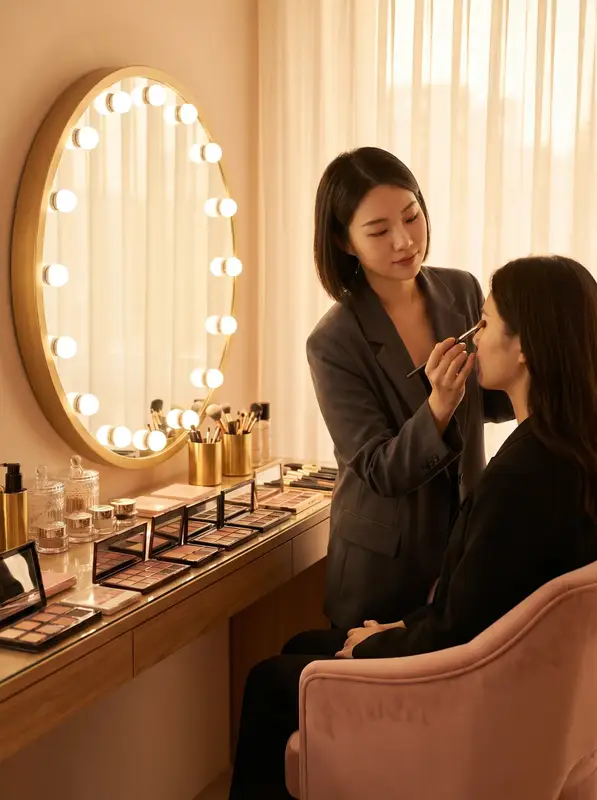
The first 90 days are not a race to collect a kit, followers or business cards. They are a controlled trial of whether you enjoy the working habits behind makeup artistry: observing a face, making choices under a brief, keeping tools and hands ready for the next person, and calmly explaining those choices.
A hobby look can be expressive and spontaneous. A bookable service must be repeatable. That does not mean every face should look the same; it means you can explain your process, adapt it within your current level, finish within an agreed window, and record what happened. For now, measure capability rather than popularity. A flattering photo is one piece of evidence, not the whole test.
Use three tracks at the same time:
- Technical practice: observation, preparation, complexion, feature work and finish.
- Hygiene and communication: a safe, predictable service routine and clear boundaries.
- Portfolio evidence: photographs and notes that show what you actually practised.
If one track is weak, the others do not compensate. Beautiful blending cannot replace a clean setup; a polished feed cannot substitute for a consultation you cannot yet conduct.
Days 1–30: build a dependable baseline
For the first month, reduce variables. Choose one wearable brief—perhaps a fresh satin complexion, softly defined eyes and a neutral lip—and repeat it on willing adult practice models with different skin tones and face shapes. The goal is not a signature style. It is learning where your result changes because of skin preparation, light, undertone, texture or your own application order.
Practise the same sequence, then diagnose
Write a one-page sequence before each session: cleanse and prepare, observe, select shades, apply complexion, work features, check balance, finish, photograph and clean down. Time each stage. Afterward, record only three things: what worked, one visible issue, and the single adjustment for next time. This turns vague self-criticism into a repeatable experiment.
For example, if foundation separates around the nose, do not replace every product at once. In the next session, keep the base shades and lighting stable, change one preparation or application variable, and compare the photographs. If an eye shape feels unbalanced, practise placement on a face chart before changing the whole look.
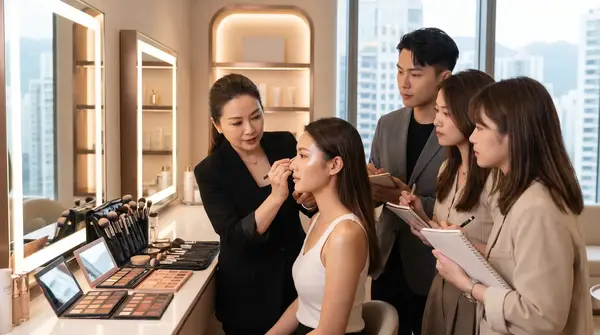
A structured beginner class can be useful when you need supervised correction rather than more tutorials. Before choosing one, inspect the published scope of a basic makeup artist course and ask the provider to confirm the current split between demonstrations and hands-on work, model arrangements, consumables, class size, feedback and timetable. Those details decide whether a course matches your actual practice gap; do not assume that a stated duration guarantees a certain amount of model time or a job outcome.
Create a small, deliberate practice kit
Start with products you can keep organised and replenish, plus single-use applicators and a reliable way to record shade decisions. More shades are not automatically more professional. A smaller kit lets you learn mixing, colour matching and stock control without losing track of product condition. Keep product names and shade combinations in your practice log so you can reproduce a successful result.
Your end-of-month test is simple: can you complete the same brief twice, on two different models, with a coherent finish and a written explanation of the choices you made? If not, repeat the baseline month. Repetition is progress, not failure.
Days 31–60: add hygiene and a client conversation
In month two, stop treating hygiene as a clean-up task at the end. It is part of every transition: arrival, setup, application, product handling, packing and the next appointment. The CDC’s handwashing guidance advises washing with soap and clean running water and scrubbing for at least 20 seconds; when soap and water are not available, it identifies hand sanitiser containing at least 60% alcohol as an alternative. Build that principle into a practical routine rather than relying on memory.
Use clean hands before handling tools and products, decant only the amount needed where appropriate, use disposable applicators for products that go near the eyes or lips, and keep used items separate from ready-to-use items. Follow each manufacturer’s instructions for cleaning, disinfection, storage and expiry. If a client reports a sensitivity, has a visible concern you are not trained to assess, or wants a service beyond your competence, pause rather than improvise. A professional boundary protects both the client and your learning.
Rehearse a consultation, not a sales pitch
Practise a five-minute pre-service conversation with every volunteer. Ask what the occasion is, when they need to be ready, what reference images mean to them, how they usually feel about coverage and eye definition, and whether they have relevant sensitivities or product concerns they want you to know. Confirm that you are practising, describe the proposed finish in plain language, and agree what will happen if timing runs short.
Then say back what you heard: “You want skin that still looks like skin, a more lifted eye, and no heavy contour.” This check prevents you from solving the wrong problem. Do not promise all-day wear, a reaction-free result, or an exact copy of a filtered image. Explain the variables you will control and what you will review together at the end.
Here is a suggested, not mandatory, weekly workload for someone fitting training around another job. It is designed to show how the three tracks can produce evidence together.
| Weeks | Technical focus | Hygiene and communication rehearsal | Evidence to save | Readiness question |
|---|---|---|---|---|
| 1–2 | Repeat one day look; map skin tone and undertone | Set up a clean/used tool separation system | Before-and-after images in the same light; product log | Can I explain my shade and finish choices? |
| 3–4 | Recreate the brief on a different face | Rehearse arrival, hand hygiene and clean-down | Timed sequence and one improvement note | Can I repeat the result without guessing? |
| 5–6 | Practise complexion longevity and soft eye placement | Use a five-minute consultation script | Consent note, reference image and final review note | Did the client’s stated preference guide the choices? |
| 7–8 | Add an evening variation without losing base quality | Rehearse how to decline an unsuitable request | Two standard angles and a close-up, labelled as practice | Can I finish calmly within my planned time? |
| 9–10 | Correct one recurring issue across three sessions | Practise product and tool handover discipline | Revision log showing one variable changed | Is the improvement visible and repeatable? |
| 11–12 | Deliver two complete, consented practice appointments | Run the full intake-to-clean-down workflow | A small edited set with honest captions | Would I be comfortable showing my process to a tutor or client? |
| 13 | Review gaps and choose the next training step | Audit replenishment, cleaning and consent records | Capability map: ready now / needs practice / not offered | What should I postpone rather than sell? |
Days 61–90: make a portfolio that proves, rather than implies
A beginner portfolio should document controlled practice, not manufacture a career history. Select three to five briefs that make sense for the work you may eventually want to offer: natural event makeup, an enhanced evening look, a camera-aware close-up, a corrective study, or a restrained creative look. Give each brief a purpose, a model context, a time limit and one technique to improve.
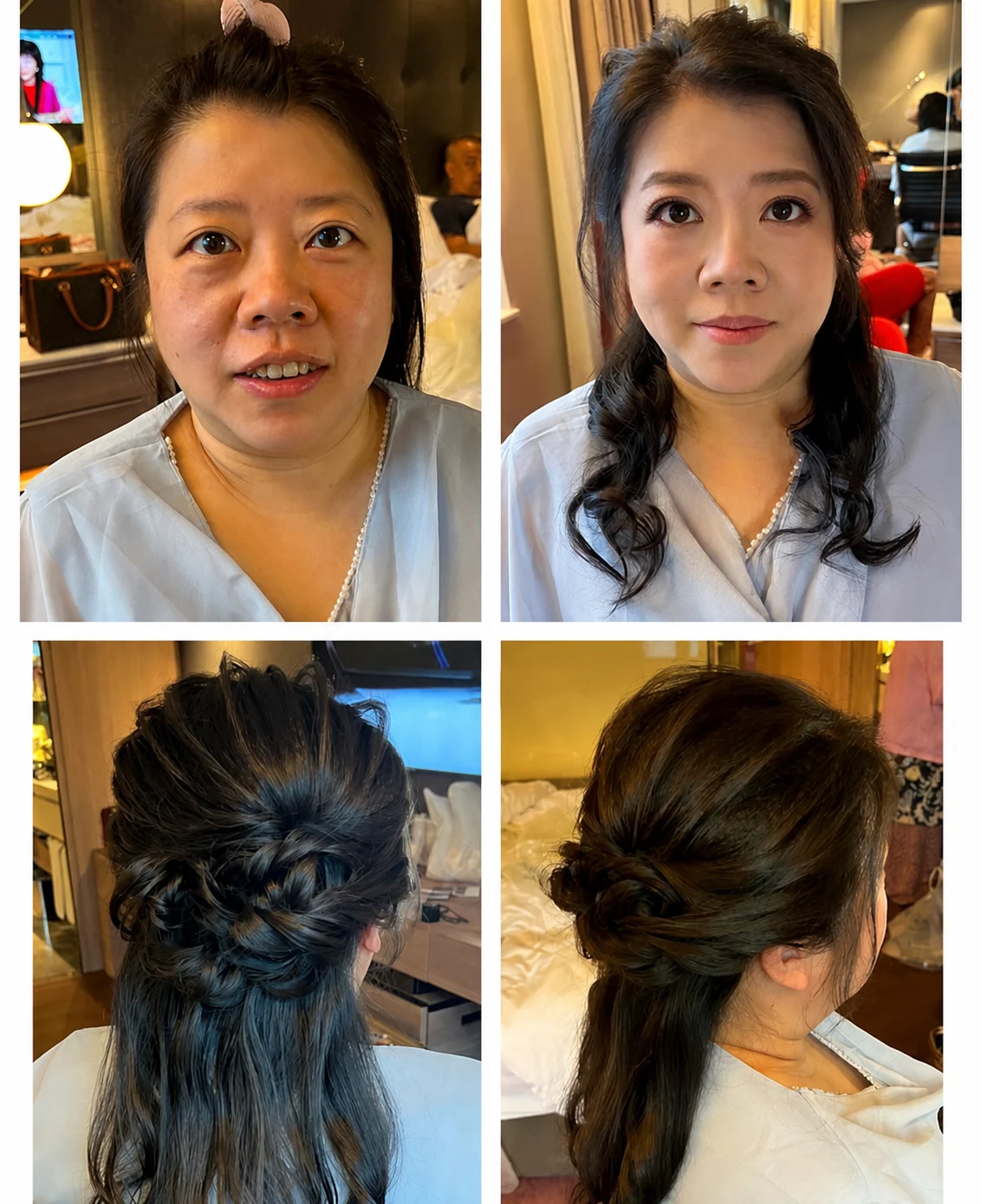
For each session, photograph a straight-on view, a three-quarter view and a close-up under consistent lighting. Save the original images, then label the selected files with the date, brief, model type (for example, volunteer friend or class peer), lighting and any editing applied. State “practice session” where that is true. Honest labels make your early work more credible than captions that hint at bookings you did not have.
When you are ready for a more detailed framework, this guide on build a makeup portfolio from scratch is relevant for planning constrained briefs, consistent photography and transparent practice labels. Treat any course-related photography, supplied model, review or image-use arrangement as something to confirm directly in writing; it should never be assumed from a portfolio goal.
Obtain permission before you publish
A recognisable portfolio photograph can identify a living person. Hong Kong’s Office of the Privacy Commissioner for Personal Data explains that personal data is information relating to an identifiable living individual, and that collection and use are governed by stated purposes and fair handling principles. Use a short written permission record that says where the images may appear (private tutor review, website, social channels or printed book), whether the model may withdraw future use, and how to contact you. Keep it with the image folder.
Consent is not an awkward extra. It is rehearsal for the trust a future booking requires. If a model only agrees to a private review, respect that boundary and do not post a cropped version in the hope that it is unrecognisable.
The decision gate: when to test real bookings
At day 90, assess yourself against evidence, not enthusiasm. You may be ready to offer a tightly defined, low-risk introductory service or more supervised work if you can consistently complete a stated brief, maintain your hygiene process, communicate limits, keep usable records and show a small set of honestly labelled images. Begin with the work you can repeat; do not advertise every style you have watched online.
You should delay paid bookings, or keep practising with volunteers, if you regularly run late, cannot match base shades reliably, lose track of product use, struggle to explain your process, or feel pressured to promise outcomes you cannot control. The trade-off is clear: saying “not yet” may slow the first booking, but it gives you time to build a reputation on work you can stand behind.
Career changers also need to test the operating reality, not only artistry. Can you practise at the times you would be available? Can you restock and clean without rushing? Can you manage an enquiry, commute and setup around your other commitments? If you need help sequencing study around employment and deciding which foundation gaps to close first, a career change makeup course Hong Kong may be a useful discussion point. Ask for the current schedule, inclusions, practice arrangements and level expectations before deciding; training is a tool for capability, not a promise of bookings.
A 20-minute weekly review that keeps practice honest
Set aside twenty minutes at the end of every week. Put the week’s photographs, timing notes and consent records together, then answer five questions:
- Which decision improved the result most?
- Where did I lose time or product?
- Did I follow my hygiene sequence every time, including clean-down?
- Did the model’s stated preference match the finished look?
- What is the one variable I will test next week?
Choose only one technical objective for the following week. You might work on base shade matching, brow balance or eye-edge cleanup, but not all three. This constraint makes improvement visible and prevents the common beginner cycle of buying new products whenever technique feels uncertain.
What the first 90 days are—and are not
This period is a foundation for informed decisions. It can show you whether you enjoy preparation as much as application, whether you learn well through feedback, and whether a particular direction—event, bridal, camera or creative work—fits your temperament. It cannot certify competence in every service, guarantee income, replace local requirements, or turn practice images into paid-client experience.
The strongest outcome is a modest but concrete capability map: a repeatable look, a safer workflow, a consultation script, consent-aware images, a record of what needs work, and the confidence to narrow your first offer. That is far more useful than rushing to look established.
Questions & answers
How many practice sessions should I aim for in the first 90 days?
Use a rhythm you can sustain. A practical example is two or three short skill sessions plus one longer full-face session each week. Track completed, deliberate repeats rather than chasing a fixed total. If your finish is inconsistent, repeat the same brief before adding a new style.
Should I take paid clients as soon as friends like my makeup?
Not necessarily. Positive feedback is encouraging, but first check whether you can repeat the look on different faces, manage hygiene and timing, discuss preferences clearly, and describe the limits of what you offer. Start only with a defined service you can deliver consistently.
What should a beginner portfolio caption include?
Include the practice brief, date, model context, lighting, the skill being practised and any material editing. Label volunteer, peer or mannequin work accurately. This gives a viewer useful context without implying that the image came from a paid wedding, campaign or client booking.
How do I handle a client request that is beyond my current skill level?
Be direct before starting: explain what you can offer confidently and what you are still practising. Offer a simpler alternative only if it meets the brief, or decline and suggest that the person seek a suitably experienced professional. Do not experiment with unfamiliar techniques during a time-sensitive appointment.
What should I ask a course provider before enrolling?
Ask for the current timetable, language, level, group size, supervised practice time, feedback format, model requirements, consumables, kit expectations and assessment arrangements. If portfolio images, photography or an advanced progression are mentioned, confirm exactly what is included and the rights you will have to any images.
Put the next step into practice
For the learning options at Canvas, explore makeup course Hong Kong。
For another practical reference, see freelance makeup artist training。
To plan a next step that fits your needs, read makeup course Hong Kong。
Sources & further reading
- CDC — About Handwashing
Used for the 20-second soap-and-water handwashing instruction and the at-least-60% alcohol sanitiser alternative when soap and water are unavailable.
- Office of the Privacy Commissioner for Personal Data, Hong Kong — The Ordinance at a Glance
Used for the general discussion of identifiable-person images, stated purposes, fair collection and use of personal data; this is not legal advice.