Mastering Commercial Photography Makeup: A Comprehensive Guide
In the dynamic world of fashion and advertising, the role of an editorial makeup artist HK is both demanding and exhilarating. Commercial photography makeup is a specialized skill that goes far beyond everyday cosmetic application. It requires a deep understanding of lighting, camera technology, and the specific needs of the client or publication. Whether you are shooting a high-fashion editorial for a glossy magazine or a clean, product-focused campaign, the makeup must translate flawlessly through the lens. This guide will explore the essential techniques, considerations, and industry secrets for mastering commercial photography makeup, helping you build a standout portfolio and succeed in this competitive field.

Understanding Camera-Ready Makeup
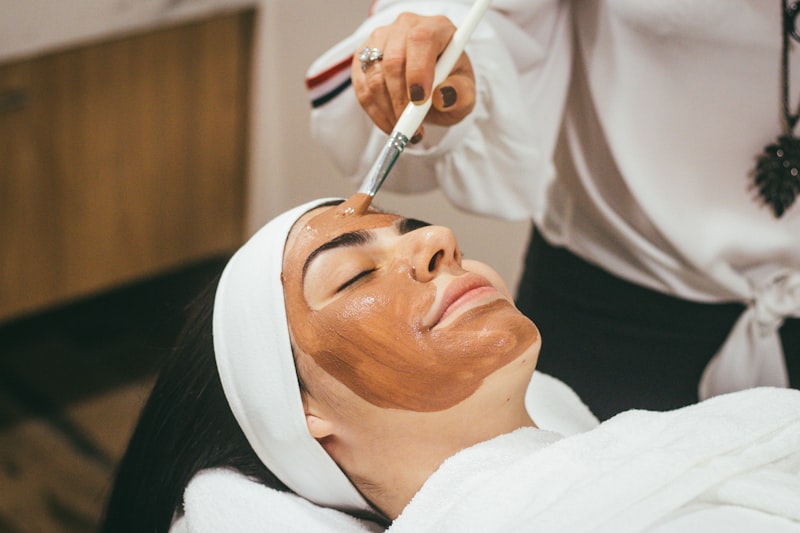
The foundation of any successful commercial shoot is camera-ready makeup. Unlike makeup designed for in-person viewing, camera-ready makeup must withstand the scrutiny of high-resolution lenses and intense studio lighting. The goal is to create a flawless canvas that minimizes the need for extensive post-production retouching while enhancing the model's natural features. This involves meticulous skin preparation, precise color matching, and strategic application techniques.
One of the most critical aspects of camera-ready makeup is understanding how different products react to light. For instance, products containing high levels of silica or certain sunscreens can cause "flashback," resulting in a white cast on the skin when photographed with a flash. Therefore, it is essential to select products specifically formulated for photography, often opting for matte or satin finishes over overly dewy or reflective ones, unless a specific glossy look is requested by the art director.

Lighting Considerations in Commercial Photography
Lighting is the lifeblood of photography, and it profoundly impacts how makeup appears on camera. An experienced editorial makeup artist HK must be adept at adjusting their techniques based on the lighting setup. Studio strobes, continuous lighting, and natural light all interact with makeup differently. For example, harsh, direct lighting can wash out colors and emphasize texture, requiring a heavier hand with contouring and color saturation. Conversely, soft, diffused lighting is more forgiving but may require subtle highlighting to prevent the face from looking flat.
It is crucial to communicate with the photographer before and during the shoot to understand their lighting plan. Often, makeup artists will perform a "test shot" to see how the makeup translates under the specific lighting conditions. This allows for necessary adjustments, such as deepening a contour, intensifying an eyeshadow, or mattifying a shiny T-zone, before the actual shooting begins. Understanding the interplay between light and makeup is a hallmark of a true professional in the commercial styling industry.

Product Photography vs. Fashion Editorial
Commercial photography encompasses a wide range of styles, each with its own makeup requirements. Two of the most common categories are product photography and fashion editorial. In product photography, the focus is entirely on the item being sold, whether it's jewelry, cosmetics, or clothing. The makeup in these shoots is typically clean, natural, and unobtrusive. The goal is to make the model look polished and aspirational without distracting from the product. This often involves flawless skin, groomed brows, and subtle enhancements.
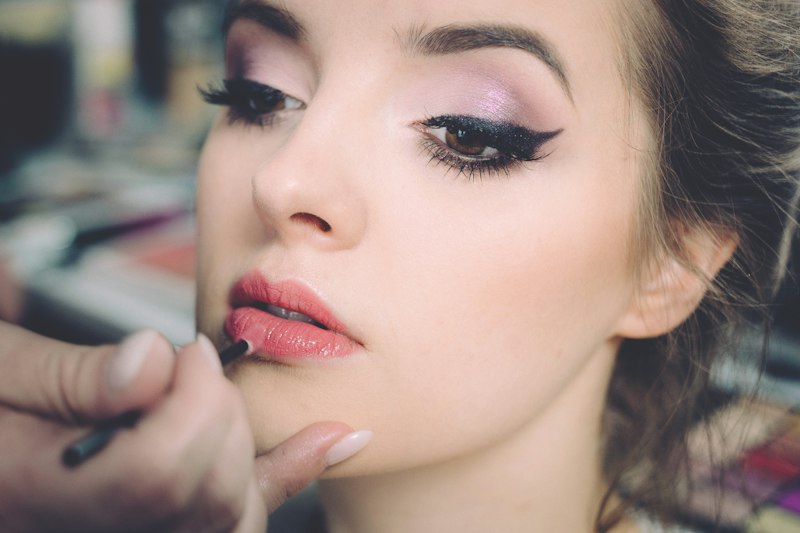
In contrast, fashion editorial shoots offer more creative freedom. These shoots are designed to tell a story, evoke an emotion, or showcase a specific trend or artistic vision. The makeup can be bold, avant-garde, and highly stylized. An editorial makeup artist HK might use unconventional colors, textures, and techniques to bring the art director's vision to life. While editorial makeup allows for more artistic expression, it still requires a high level of technical skill to ensure the look translates effectively on camera and aligns with the overall aesthetic of the publication.

Working Collaboratively with Photographers
A successful commercial shoot is a collaborative effort, and the relationship between the makeup artist and the photographer is paramount. Effective communication and mutual respect are essential for achieving the desired results. Before the shoot, it is important to discuss the creative brief, mood boards, and any specific requirements or preferences the photographer may have. During the shoot, the makeup artist should remain attentive, monitoring the makeup through the camera monitor or tethered screen to ensure it looks perfect in every shot.
It is also important to be adaptable and open to feedback. A photographer may request adjustments based on how the makeup is reading on camera, and a professional makeup artist should be able to execute these changes quickly and efficiently. Building strong relationships with photographers not only leads to better results on set but can also result in repeat bookings and referrals, which are crucial for a thriving career as a makeup artist out job Hong Kong.

Retouching-Friendly Techniques
While post-production retouching is a standard part of commercial photography, a skilled makeup artist aims to minimize the amount of work required in Photoshop. Retouching-friendly makeup techniques involve creating a flawless base, ensuring seamless blending, and paying close attention to detail. This includes meticulously concealing blemishes, color-correcting uneven skin tones, and ensuring that foundation is perfectly matched to the model's neck and body.
Furthermore, it is important to avoid heavy, cakey makeup that can look unnatural and be difficult to retouch. Instead, opt for thin, buildable layers of product, using techniques like stippling and buffing to achieve a skin-like finish. Paying attention to details such as stray eyebrow hairs, smudged eyeliner, or uneven lip lines can save the retoucher hours of work and endear you to the entire production team. Mastering these techniques is essential for anyone looking to excel in editorial makeup artist HK roles.
Building a Commercial Portfolio
To attract high-quality commercial clients, you need a strong portfolio that showcases your versatility and technical skill. A commercial portfolio should include a diverse range of looks, from clean, natural beauty to bold, editorial styles. It is important to collaborate with experienced photographers, models, and stylists to create high-quality images that reflect industry standards. When selecting images for your portfolio, prioritize quality over quantity, choosing only your best work that demonstrates your ability to execute flawless, camera-ready makeup.
In addition to showcasing your technical skills, your portfolio should also highlight your ability to work across different genres of commercial photography. Including examples of product shoots, fashion editorials, and corporate campaigns will demonstrate your versatility and make you a more attractive candidate for a wider range of jobs. For those looking to refine their skills and build a professional portfolio, enrolling in a comprehensive makeup course Hong Kong can provide invaluable training and networking opportunities.

The Business of Commercial Makeup
Beyond technical skills, succeeding as a commercial makeup artist requires strong business acumen. This includes understanding how to price your services, negotiate contracts, and market yourself effectively. Networking is crucial in the commercial industry, so attending industry events, connecting with photographers and art directors on social media, and building relationships with modeling agencies can help you secure more bookings. It is also important to maintain a professional online presence, including a well-designed website and an active, curated Instagram account.
For those interested in expanding their services beyond the studio, offering on-location services is a lucrative avenue. Whether it's providing makeup for a corporate video shoot or styling a bridal party, being a reliable and skilled bridal makeup on location HK professional can significantly increase your income and client base. Continuous learning and professional development are also key to staying competitive in the ever-evolving beauty industry. Consider advanced training programs, such as freelance makeup artist training, to refine your skills and stay up-to-date with the latest trends and techniques.
Conclusion
Mastering commercial photography makeup is a journey that requires dedication, technical precision, and a deep understanding of the visual arts. By focusing on camera-ready techniques, adapting to different lighting scenarios, and collaborating effectively with photographers, you can create stunning, impactful images that elevate any commercial campaign. Whether you are aspiring to be a top editorial makeup artist HK or looking to expand your freelance business, the skills and insights shared in this guide will provide a solid foundation for success in the exciting world of commercial styling.