How to Become a Film/TV Makeup Artist in Hong Kong: A Comprehensive Guide
Hong Kong’s dynamic film and television industry has long been a hub for creativity and innovation, producing some of Asia’s most iconic movies and TV shows. Behind every successful production is a talented team of professionals, and among them, the film makeup artist Hong Kong plays a crucial role in bringing characters to life on screen. If you are passionate about beauty, creativity, and storytelling, a career as a film or TV makeup artist could be your perfect fit. This guide dives deep into how you can become a successful makeup artist specializing in film and TV production styling in Hong Kong, covering everything from the essential skills and qualifications to industry insights and career growth opportunities.
Understanding the Hong Kong Film and TV Makeup Industry
The Hong Kong film and television market is vibrant and fast-paced, with a rich history dating back to the 1950s. Local productions often blend traditional Cantonese culture with modern storytelling techniques, requiring makeup artists to be versatile and culturally aware. The industry demands professionals who can handle diverse roles—from subtle beauty makeup to complex character transformations involving prosthetics or special effects makeup.
In Hong Kong, a TV production stylist or film makeup artist must collaborate closely with directors, costume designers, and cinematographers to ensure the visual consistency of characters across scenes and episodes. The need for camera-ready makeup techniques is paramount, as high-definition cameras reveal every detail, making flawless application and continuity critical.

Essential Qualifications and Training for Aspiring Film Makeup Artists
While there is no single mandatory qualification to become a film or TV makeup artist in Hong Kong, formal education and professional training can significantly enhance your skill set and credibility. Many successful makeup artists start their journey by enrolling in a reputable makeup course Hong Kong offers, which typically include modules on beauty makeup, special effects, hairstyling, and hygiene practices.
These courses provide hands-on experience with professional products, learning the nuances of lighting and camera effects on makeup, and understanding the importance of skin types and products suited for long shoots. Additionally, courses often cover the basics of prosthetics and special effects makeup, which are invaluable for film roles requiring injuries, aging, or fantasy characters.
Beyond formal courses, many makeup artists gain experience through apprenticeships or internships with established professionals in the industry. This on-the-job training is crucial for learning the realities of working under the demanding conditions of a film or TV set.

Building a Strong Portfolio and Showreel
In the competitive world of film and television, your portfolio and showreel are your most powerful marketing tools. Your portfolio should display a diverse range of makeup styles—from natural beauty looks for television presenters to elaborate special effects for movie characters. Including before-and-after photos can demonstrate your transformative skills effectively.
For aspiring film makeup artist Hong Kong professionals, creating a video showreel showcasing your work on set or in studio is invaluable. This reel should highlight your ability to apply consistent makeup under various lighting situations, your speed and efficiency, and your teamwork skills. Collaborate with local filmmakers, photographers, and actors to create real-world projects that can be added to your reel.
Case Study: Renowned Hong Kong makeup artist, Mei Ling, began her career by volunteering for indie film projects, gradually building a portfolio that caught the attention of major studios. Her reel showcased her expertise in continuity makeup and period-accurate styling, which led to her working on blockbuster films like Infernal Affairs and popular TV dramas.
Mastering Camera-Ready Makeup Techniques
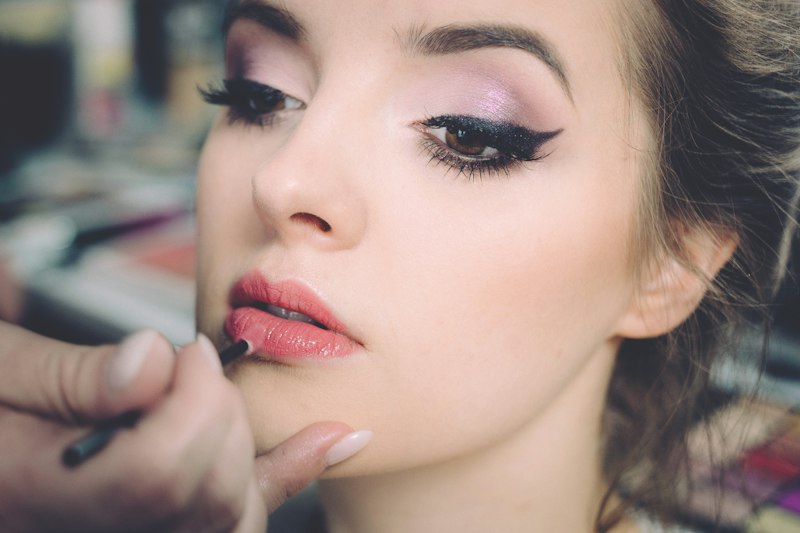
Makeup for film and television is distinct from everyday makeup due to the demands of high-definition cameras and intense lighting. The goal is to enhance the actor’s features while maintaining a natural look that reads well on screen. Understanding how different light sources—such as tungsten, LED, or natural light—affect makeup appearance is essential.
Techniques such as contouring, highlighting, and color correction are used to balance skin tones and reduce shine, preventing the “washed out” look on camera. Additionally, makeup artists must be adept at using long-lasting, smudge-proof products that withstand heat and sweat during shoots.
For example, when working on a historical drama, subtlety is key to maintain authenticity without appearing exaggerated under close-up shots. Conversely, fantasy productions might require bolder colors and textures to bring supernatural characters to life.

The Art of Continuity Makeup in Film and TV
Continuity makeup is one of the most critical but often overlooked skills in film and TV production. Since scenes are rarely shot in chronological order, maintaining consistent makeup looks throughout different shooting days is essential to avoid jarring visual discrepancies.
Makeup artists in Hong Kong’s film industry meticulously document each actor’s makeup application with photos and detailed notes. They record product brands, shades, application techniques, and even environmental factors that might affect the makeup’s appearance. This documentation ensures that when shooting resumes weeks later, the actor’s appearance remains seamless.
Working closely with continuity supervisors and directors, makeup artists adapt to last-minute script changes or reshoots, demonstrating flexibility and problem-solving under pressure.

Introduction to Special Effects Makeup Basics
Special effects makeup is a specialized field requiring technical skills and creativity. In Hong Kong’s film industry, where action and fantasy genres are popular, knowledge of prosthetics, fake blood, latex applications, and 3D makeup effects is highly desirable.
Many makeup artists pursue advanced workshops or certifications in special effects makeup to expand their portfolio. This expertise allows them to work on projects involving injuries, aging, creatures, or sci-fi characters, elevating their career potential.
Example: The Hong Kong action film Flash Point involved complex wound simulations and bruising effects that required a team of skilled special effects makeup artists. Mastery of these techniques not only enhances the visual storytelling but also increases a makeup artist’s value in the market.
Networking and Working with Directors and Production Teams
Building strong professional relationships is essential for success in the Hong Kong film and TV makeup industry. Directors and producers often rely on trusted makeup artists who understand their vision and can deliver consistent results under tight schedules.
Joining industry events, film festivals, and makeup artist associations in Hong Kong can open doors to valuable connections. Many makeup artists find regular work through referrals and collaborations with local TV stations such as TVB or film production companies.
Effective communication and adaptability are crucial qualities when working on set. Makeup artists must be receptive to feedback, able to work in high-pressure environments, and willing to collaborate closely with costume and lighting departments to achieve the desired on-screen look.

Career Progression and Opportunities in Hong Kong
The career path for a film or TV makeup artist in Hong Kong can be highly rewarding and diverse. Entry-level roles often involve assisting established makeup artists or working on smaller productions and commercials. Over time, as you build your reputation and portfolio, opportunities arise to work on larger film sets and high-profile television dramas.
Experienced makeup artists may specialize further, becoming experts in either beauty makeup, prosthetics, or hairstyling. Some progress into supervisory roles such as Head Makeup Artist or Production Stylist, overseeing entire makeup departments and mentoring junior artists.
Freelance work is common, and many professionals combine film and TV makeup with makeup artist out job Hong Kong opportunities such as weddings, fashion shows, and corporate events to diversify income streams.
The Hong Kong government and film organizations occasionally offer grants and training programs to support professionals in the creative industry, providing additional avenues for growth and advancement.
Final Thoughts
Becoming a film makeup artist Hong Kong trusts to create camera-ready looks requires dedication, continuous learning, and a deep understanding of both artistry and technical skills. By investing in quality training, building a diverse portfolio, mastering continuity and special effects makeup, and networking effectively within the industry, you can carve out a successful and fulfilling career in this exciting field. Whether you dream of working behind the scenes on blockbuster films or hit TV dramas, Hong Kong’s thriving entertainment industry offers abundant opportunities for talented makeup artists ready to make their mark.