Backstage Makeup Artist Career Guide: How to Shine as a Concert Stylist in Hong Kong
Are you passionate about makeup artistry and dream of working behind the scenes at electrifying concerts and theatrical productions? Becoming a backstage makeup artist or concert stylist in Hong Kong offers a dynamic and rewarding career path for creative professionals who thrive in fast-paced, high-pressure environments. This comprehensive guide will walk you through everything you need to know to launch and grow your career as a stage makeup artist in Hong Kong’s vibrant entertainment scene.
Hong Kong’s entertainment industry is renowned for its diverse range of live performances, from large-scale concerts featuring international pop stars to innovative theatrical productions and cultural festivals. As a backstage makeup artist, you become an indispensable part of this world, helping to bring characters and performers to life in a way that captivates audiences. This role demands not only technical excellence but also a deep understanding of how makeup interacts with stage lighting, costume design, and the overall aesthetic vision of a production.
With the city’s thriving arts scene and increasing demand for live entertainment, now is an ideal time to enter this exciting profession. Whether you aspire to work on glamorous pop concerts, intimate theater performances, or avant-garde dance shows, this career offers endless opportunities for creativity and growth.

Understanding the Role of a Backstage Makeup Artist
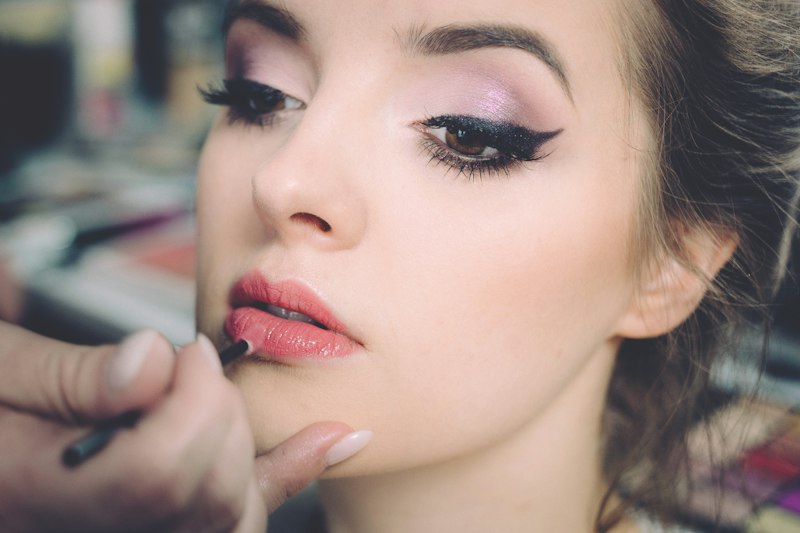
A backstage makeup artist is responsible for creating and applying makeup looks that enhance performers’ appearances under intense stage lighting and from various audience perspectives. Unlike commercial or bridal makeup, stage makeup must be bold and durable, often involving contouring, vibrant colors, and special effects to ensure expressions are visible from a distance. Concert stylists also often manage quick changes, ensuring performers are ready on time between acts.
In Hong Kong’s bustling entertainment industry, concert stylists and backstage makeup artists collaborate closely with costume designers, hairstylists, and directors to deliver cohesive visual presentations. This career demands not only artistic skill but also excellent time management, adaptability, and teamwork.
Performers rely heavily on makeup artists to help transform their appearance to fit the narrative of the show and the mood of each performance segment. This means understanding the unique demands of different genres, such as the bold, dramatic styles required for rock concerts versus the subtle, character-driven looks needed for traditional Chinese opera or contemporary dance. Your role extends beyond mere application—you become a problem solver, adapting quickly to changes in lighting, costume alterations, or unexpected skin reactions to products.
Moreover, backstage makeup artists must maintain professionalism under pressure, as live events leave little room for error. The ability to remain calm and focused during hectic moments, such as last-minute touch-ups or dealing with technical difficulties, distinguishes outstanding artists in this field.

Essential Skills for Backstage and Concert Makeup Artists
To thrive as a stage makeup artist in Hong Kong, you must cultivate a diverse skill set:
- Professional Makeup Techniques: Mastery of foundation application, contouring, color theory, and specialized techniques like airbrushing and prosthetics.
- Speed and Efficiency: Ability to work quickly without sacrificing quality, especially during tight backstage schedules.
- Attention to Detail: Ensuring makeup withstands strong stage lighting and long performances, with no smudging or fading.
- Communication and Teamwork: Collaborating effectively with performers and production teams to meet creative expectations.
- Problem-Solving: Handling unexpected challenges such as last-minute design changes or skin sensitivities.
- Sanitation and Safety: Strict hygiene practices to maintain performer health and safety.
Developing these skills will set you apart and prepare you for the demands of working in concert halls, theaters, and live event venues across Hong Kong.
Let’s delve deeper into some of these skills. Professional makeup techniques involve more than just applying products; they require an understanding of various skin types, makeup formulations, and how different ingredients react under stage lights. For example, matte finishes are often preferred backstage to prevent shiny spots that can distract audiences, while waterproof and long-lasting formulas are essential for performers who sweat under hot stage lights.
Speed and efficiency are equally critical. During a concert with multiple acts, performers may need quick touch-ups or complete makeup changes within minutes. This demands not only technical skill but also the ability to stay organized, prioritize tasks, and maintain a calm demeanor. The ability to anticipate needs and prepare kits with all necessary products and tools before the show begins can make the difference between a smooth performance and backstage chaos.
Communication and teamwork skills are indispensable because a backstage makeup artist rarely works in isolation. You’ll coordinate with costume designers about color palettes, hairstylists about overall looks, and performers about comfort and preferences. Being receptive to feedback and able to suggest creative solutions fosters a collaborative environment that enhances the final production.
Finally, sanitation and safety are paramount in preventing skin irritations or infections. In a high-touch environment where multiple performers require makeup, maintaining clean brushes, sponges, and applicators is a non-negotiable responsibility. Understanding and implementing hygiene protocols protects both you and the artists, ensuring a professional and safe workspace.

Training Path: How to Become a Professional Stage Makeup Artist in Hong Kong
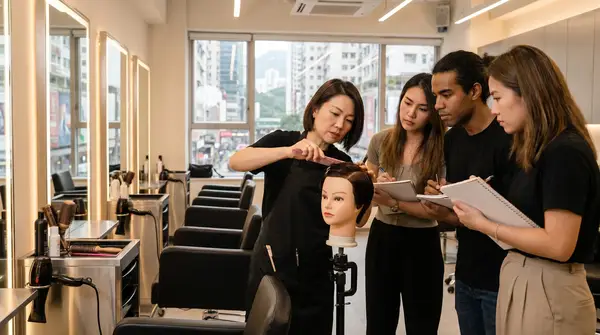
Formal training is highly recommended to build foundational knowledge and gain hands-on experience. Several beauty academies and specialized courses in Hong Kong offer programs focusing on theatrical and stage makeup techniques. For example, you might consider enrolling in a freelance makeup artist training course that covers a broad range of skills from basic makeup to advanced stage artistry.
Look for programs that provide:
- Practical workshops on stage and concert makeup application
- Education in color theory, lighting effects, and makeup product chemistry
- Opportunities to work with live models and performers
- Portfolio development support
- Industry networking and internship placements
Many successful makeup artists in Hong Kong started with a solid educational background and supplemented it with apprenticeships or assistant roles backstage to refine their craft.
When choosing a training program, consider those that emphasize real-world application and exposure to live event conditions. Some academies collaborate with local theaters and concert promoters to offer students opportunities to assist in actual productions, providing invaluable experience. Additionally, courses that teach the science behind makeup products help you understand how to select suitable materials for different skin types and performance requirements.
Continuous learning is also important in this ever-evolving industry. Trends, technologies, and products change rapidly, making it essential to stay updated through workshops, seminars, and industry publications. Many established makeup artists in Hong Kong attend international beauty conventions or specialized masterclasses to enhance their expertise and keep their skills cutting-edge.

Building Your Portfolio: Showcasing Your Talent to Employers
A strong portfolio is crucial when pursuing a career as a concert stylist in Hong Kong. It serves as a visual resume that demonstrates your skills, creativity, and versatility. Your portfolio should include:
- High-quality photos of stage makeup looks you have created
- Before-and-after images highlighting your transformative skills
- Makeup designs tailored for different performance genres, such as concerts, theater, dance, and fashion shows
- Videos or reels showing your makeup application process or backstage work
- Testimonials or references from clients, performers, or instructors
Invest in professional photography or collaborate with photographers and performers who are also building their portfolios. Keep your portfolio updated with recent projects and tailor it for specific job applications.
When assembling your portfolio, pay special attention to lighting and presentation. Stage makeup can often look different under natural light compared to stage lighting, so including photos taken in performance settings helps employers visualize your work accurately. Additionally, curating a diverse range of looks—from natural enhancement to elaborate special effects—demonstrates your capacity to adapt to various creative demands.
In today’s digital age, maintaining an online portfolio via a personal website or social media platforms like Instagram can significantly increase your visibility. Use high-resolution images, concise descriptions, and keywords relevant to the Hong Kong entertainment industry to attract potential clients and collaborators. Engaging with followers by sharing behind-the-scenes content or makeup tutorials can also establish your professional brand and credibility.

Networking and Finding Opportunities in Hong Kong’s Entertainment Industry
Establishing a strong network is essential for securing gigs and advancing your career as a stage makeup artist. Hong Kong’s entertainment scene is highly interconnected, and many opportunities arise through personal referrals and industry contacts.
Here are some effective networking strategies:
- Attend industry events, trade shows, and beauty expos to meet professionals and showcase your work.
- Join professional associations or online groups dedicated to makeup artistry and performing arts.
- Volunteer for local theater productions, fashion shows, or concerts to gain experience and meet collaborators.
- Leverage social media platforms like Instagram and LinkedIn to promote your portfolio and connect with potential clients.
- Reach out to companies offering concert backstage stylist HK services or makeup artist out job Hong Kong opportunities for freelancers.
Building strong relationships with performers, stylists, and production managers can lead to repeat work and long-term career growth.
Networking in Hong Kong’s entertainment industry goes beyond formal events. Many opportunities arise informally, such as meeting people backstage, attending after-show gatherings, or joining creative workshops. Cultivating genuine relationships based on mutual respect and professional integrity can open doors to collaborations that might not be advertised publicly.
Additionally, consider joining local theater companies or cultural organizations as a makeup artist volunteer or intern. This exposure not only sharpens your skills but also helps you understand the nuances of different performance styles and build a reputation within the community.
Online networking is equally vital. Hong Kong’s digital-savvy market means that maintaining an active presence on platforms like LinkedIn and Instagram can attract bookings, especially from younger artists and emerging production houses. Posting regularly, engaging with industry hashtags, and showcasing your latest projects can help you stay top of mind among potential clients.
Working Conditions and What to Expect On the Job
The role of a backstage or concert makeup artist is both exhilarating and demanding. You will often work in fast-paced, sometimes chaotic environments with tight deadlines and last-minute changes. Working hours can be irregular, including evenings, weekends, and holidays aligned with event schedules.
Backstage areas might be cramped and noisy, requiring you to maintain focus and composure under pressure. Physical stamina is important, as you may be standing for long periods and moving quickly between performers.
However, the job also offers rewarding experiences, including exposure to live performances, collaboration with creative teams, and the satisfaction of contributing to memorable events.
It’s important to prepare for the physical and mental demands of this profession. Long hours on your feet, sometimes in poorly ventilated spaces, require endurance and self-care strategies. Staying hydrated, taking brief moments to stretch, and managing stress through mindfulness techniques can help maintain your well-being during intense performances.
Beyond the physical aspect, the backstage environment teaches you to be adaptable and resilient. Sudden changes such as script revisions, lighting adjustments, or costume malfunctions are common, and your ability to adjust makeup looks accordingly is a valuable asset. This unpredictability often fosters a strong sense of camaraderie among crew members, as everyone works together to ensure the show’s success.
Moreover, the backstage makeup artist role offers a unique vantage point to experience Hong Kong’s rich cultural tapestry, from international music festivals to traditional operatic performances. Being part of such diverse productions enriches your artistic perspective and deepens your appreciation for the performing arts.
Salary Expectations and Career Progression in Hong Kong
The compensation for a backstage makeup artist or concert stylist in Hong Kong can vary widely depending on experience, reputation, and the scale of events. Entry-level artists might earn a modest hourly rate, while seasoned professionals working on major productions can command higher fees.
Freelancers typically charge per job or per hour, and rates may increase with specialization, such as expertise in special effects or high-profile clients. According to industry surveys, the average hourly pay ranges from HKD 150 to HKD 500, with top-tier artists potentially earning more.
Career progression can lead to roles such as lead makeup artist, creative director, or even launching your own styling agency. Continuous skill development and strong industry connections are key to advancing.
Understanding the financial aspects of this career is crucial for long-term planning. Many backstage makeup artists start as freelancers, balancing multiple gigs with irregular income streams. Budgeting carefully and investing in professional development can help stabilize earnings over time.
As you build your reputation, you may secure contracts with prominent event organisers, theatre companies, or celebrity clients, which can significantly increase your earning potential. Some artists diversify their income by offering workshops, selling customized makeup kits, or collaborating with brands as influencers.
In Hong Kong’s competitive market, specialization can also boost your value. For example, proficiency in prosthetic makeup, period-specific looks, or advanced airbrushing techniques makes you an asset for productions that require intricate designs. Such expertise often commands premium rates and long-term engagements.
Ultimately, combining artistic excellence with business savvy—such as negotiating contracts, marketing your services, and managing client relationships—will empower you to build a sustainable and rewarding career.

How to Get Started Today
If you’re ready to embark on an exciting career as a stage makeup artist in Hong Kong, start by investing in quality training, such as the freelance makeup artist training offered by reputable academies like Canvas Hair and Beauty Academy. Build your portfolio with diverse looks, seek internships or assistant roles backstage, and actively network within the local entertainment industry.
Explore opportunities through platforms offering concert backstage stylist HK and makeup artist out job Hong Kong listings to gain practical experience and exposure.
Begin by setting clear goals and creating a roadmap for your career. Start with foundational courses to master essential skills, then progressively take on more complex projects to challenge yourself. Document your journey through photos and videos to track your growth and enrich your portfolio.
Additionally, seek mentorship from experienced professionals in Hong Kong’s entertainment scene. Mentors provide guidance, feedback, and valuable introductions that can accelerate your career development. Many established makeup artists are willing to share their knowledge through workshops, online tutorials, or informal advice sessions.
Remember, success in this field requires patience, persistence, and continuous learning. Embrace every opportunity to refine your craft, whether it’s a small community theater production or a large-scale music festival. Each experience contributes to your expertise and reputation.
With dedication, creativity, and the right connections, you can transform your passion for makeup into a fulfilling backstage career that places you at the heart of Hong Kong’s vibrant performing arts scene.
Begin your journey today and let your artistry shine under the spotlight!